Annie Clark Designer Spotlight, The Calm Edit That Still Feels Personal
Some homes photograph like a dream and still feel like you’re bracing your shoulders the minute you walk in. You can’t always point to the culprit, but your body knows. That’s why I pay attention to designers who can turn the volume down without turning the place sterile—the kind of rooms that make you exhale and stay awhile.
Spend any real time in the DesignerInc editorial world and you’ll see the pattern: the projects that last are disciplined, not busy. Start with the point of view at DesignerInc’s designer stories, then look at Annie Clark of 1906 Design, and it’s the same backbone. Calm isn’t a paint color. It’s a series of choices, made on purpose.
This spotlight breaks down what Annie gets right, how she gets there, and what other designers can borrow. Not her look. Her logic.
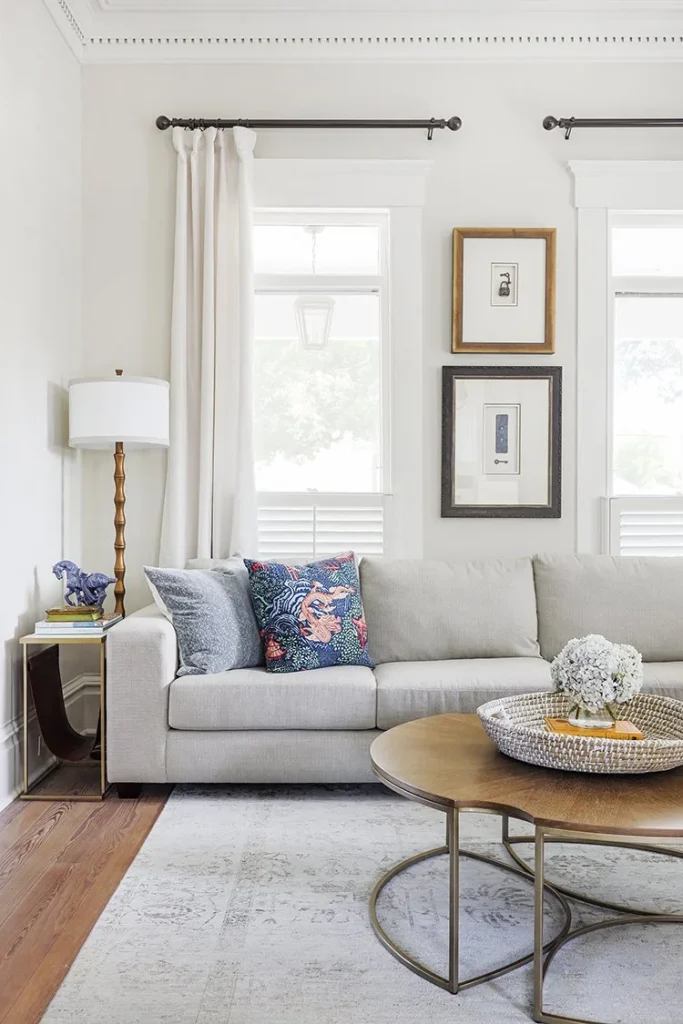
What Annie Clark Gets Right About Quiet Luxury
Quiet luxury gets mistaken for expensive neutrals and a couple of sculptural chairs that no one actually sits in. Let’s be real. If the floor plan is fighting the furniture—or the lighting is wrong, or the scale is off—no amount of “quiet” finishes is going to save that room.
Annie’s work reads as calm because it’s edited. She protects negative space like it’s part of the budget (because it is). Materials do the talking, and the room doesn’t plead for attention.
You see that same value system echoed in DesignerInc’s manufacturing coverage, where material honesty keeps coming up as the separator between “pretty for a season” and “good for a decade.” Browse a few manufacturer features and the message stays steady. The best rooms don’t disguise what things are made of—and they don’t ask a flimsy piece to carry a serious design.
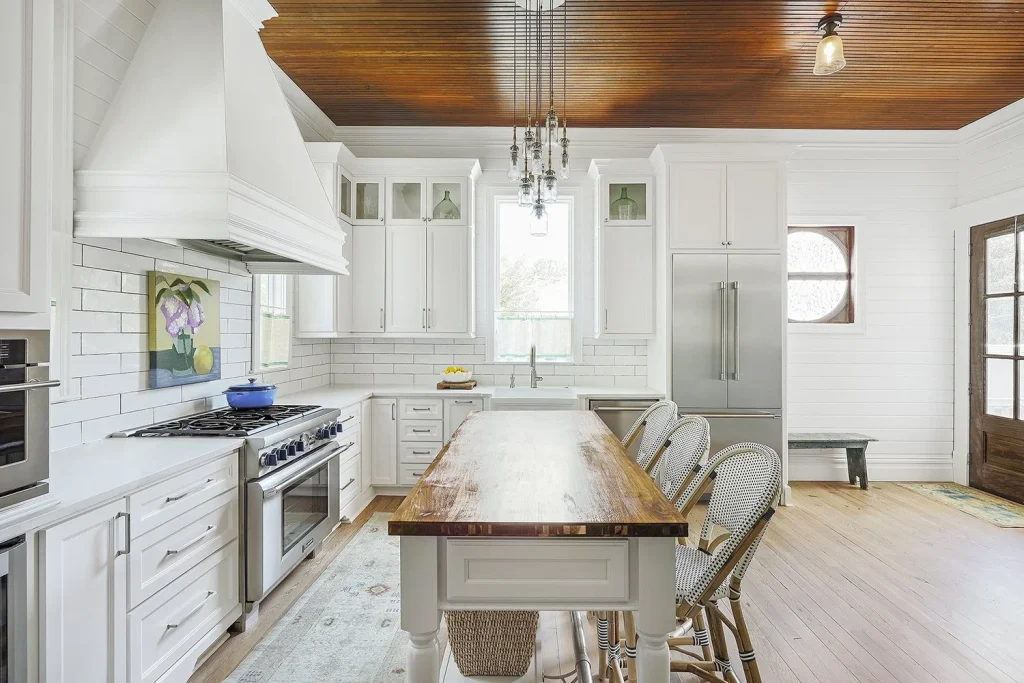
Her Pacific Northwest Palette Is About Light, Not Trend
In the Pacific Northwest, light is a design material. It shifts by the hour, and half the year it shows up like it’s doing you a favor. Annie’s neutrals work because they cooperate with daylight instead of competing with it.
So you’ll see fewer hard, high-contrast moments and more tonal drift: warm whites, soft mineral grays, clay, oatmeal, weathered wood. Then she builds texture—real texture, not “add a nubby pillow and call it depth”—so the room holds its shape when the sky goes flat.
If you want the nuts-and-bolts backup for client conversations, the U.S. Department of Energy has a practical overview on daylighting and interiors. It’s not romantic, but it’s useful when someone’s about to pick paint off a tiny chip under a kitchen pendant. Read daylighting strategies from the U.S. Department of Energy mid-project, not after the paint is ordered.
Branding Training Shows Up In Her Client Process
Annie’s background spans interiors and branding, and that’s not fluff for the bio. Branding teaches you to listen for what people mean, not just what they say. Most clients don’t hand you a clear brief—they hand you a handful of screenshots and a nervous laugh and call it “a vibe.”
Here’s what most people miss. Clients rarely describe the life they want in design language. They describe it in routines, friction points, and feelings—how mornings feel, where the clutter lands, why they never sit in the “nice” room. Then we translate. That translation is the work.
DesignerInc has been pushing this conversation from an industry angle for a while, especially around expectation setting and specification clarity. The best examples live in industry coverage and perspective, where trade reality meets client reality. Annie’s approach fits that mindset because she edits early, not at install (and yes, I’ve watched too many installs where the editing happened in a panic).
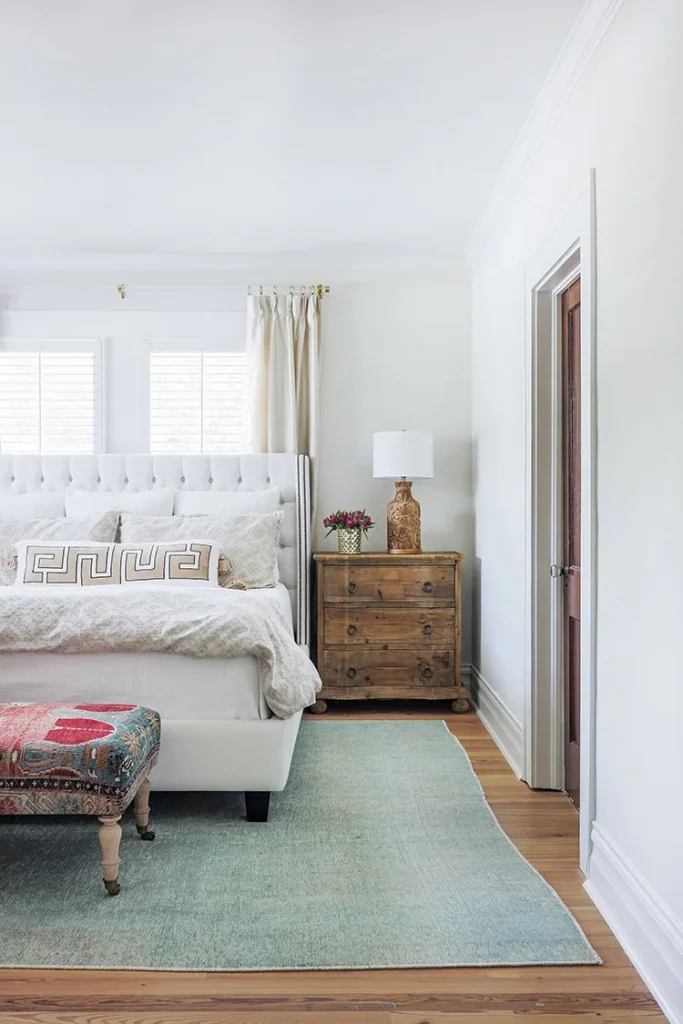
The Ruthless Edit That Still Feels Warm
Editing is the part designers claim to love, then abandon the second a client asks for more “personality.” Suddenly every surface is talking, every corner has a moment, and the room feels jumpy—like it drank three coffees and can’t sit still.
Annie’s rooms feel lived-in without looking cluttered because the edit is loving. That’s the word. Loving. She’s not stripping character out; she’s protecting it. There’s a difference between “minimal” and “mean.” Her work isn’t mean.
Try this three-step filter when a room starts to overheat.
- Does this piece add function, not just vibes?
- Does it deepen the palette, not fracture it?
- Does it earn its visual weight from across the room?
This is also where sourcing stops being theoretical. A tight edit demands better pieces because each one carries more responsibility. DesignerInc’s manufacturer highlights are useful when you need fewer items that do more heavy lifting—and you need to know who actually stands behind the build, not just the photography.
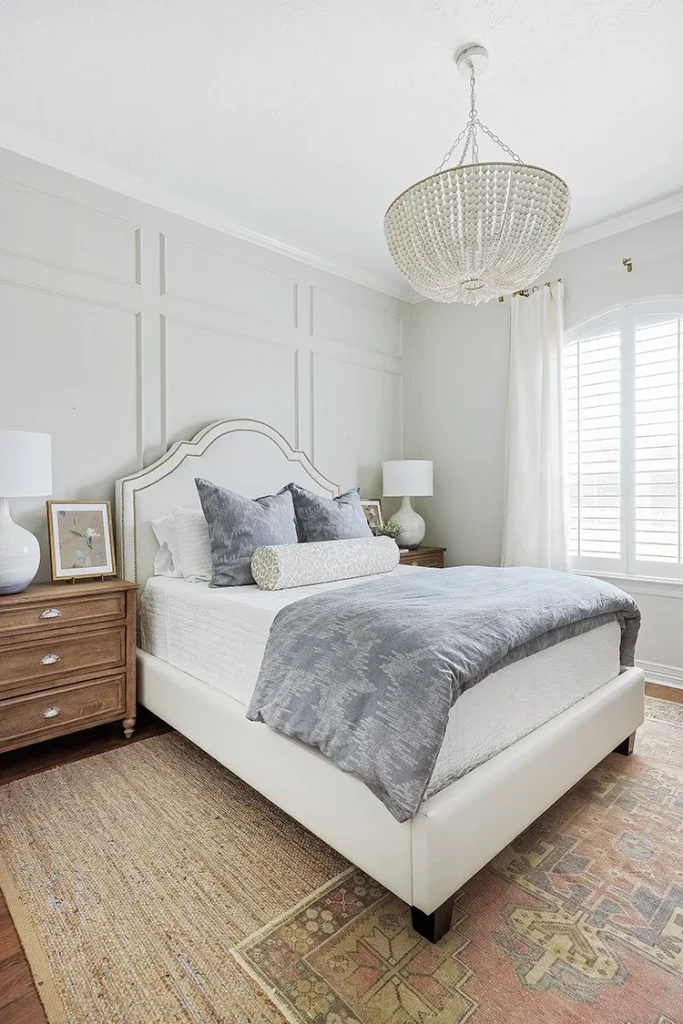
Natural Texture, Vintage Soul, Custom Restraint
Annie leans on natural textures because they age like adults. Linen, wool, oak, stone, unlacquered brass, plaster. They don’t need a spotlight. They need to be well made and correctly specified. (And if you’ve ever tried to talk a client down from a delicate “dream fabric” in a household with two dogs, you know exactly what I mean.)
Then she threads in vintage and custom details, but she doesn’t pile them on. One antique with a real story can anchor an entire room. Ten “vintage inspired” objects usually read like retail therapy—expensive, but not memorable.
If you need an outside voice to help a client understand why patina and provenance still matter, Architectural Digest covers the return of character-rich interiors in a way people will actually read. I’ve sent clients there when they need validation beyond my opinion. See Architectural Digest when you’re framing the value of pieces that look better at year five than they did on install day.
DesignerInc also tracks this maker-forward sensibility through smaller studio stories. It shows up often in featurettes on makers and materials, where craft is treated as a decision, not a slogan.
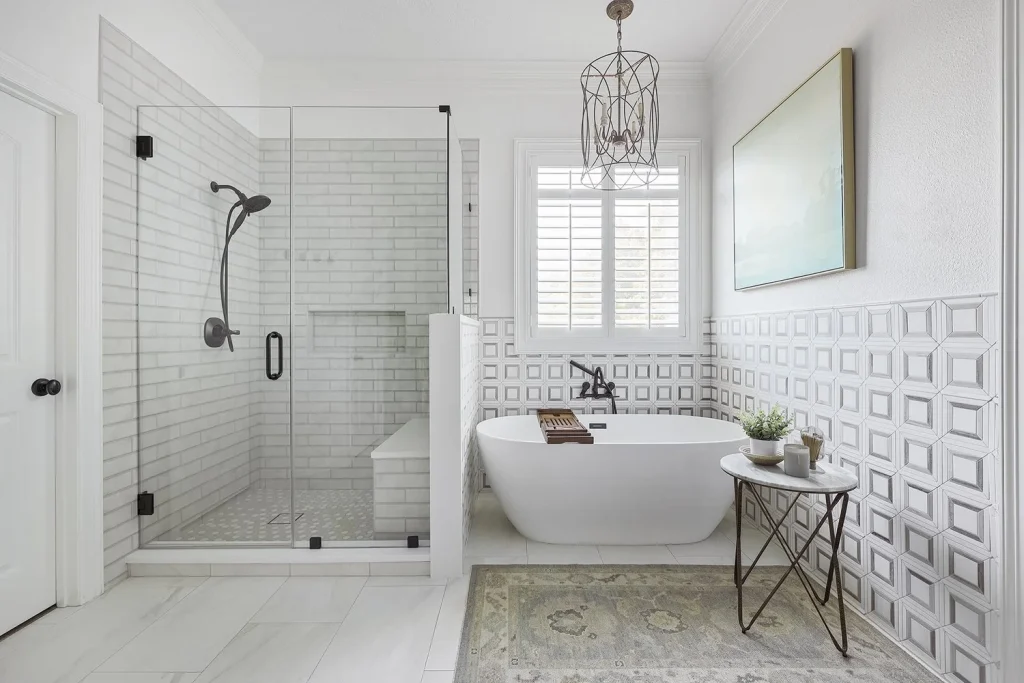
How She Balances Full Service Renovations And Furnishings
Full service renovation work forces you to think in systems. Layout, lighting, mechanicals, finish continuity, storage—everything has to agree, or somebody pays for it later. Furnishings-only projects can move faster, but they still require the same discipline if you want the room to feel effortless instead of “thrown together quickly.”
Annie’s strength is that she doesn’t treat furnishings like decoration at the end. She treats them as architecture’s partner. Scale, circulation, sightlines, and the way bodies move through the space stay front and center. That’s an NC State kind of sensibility—proportion and function before flourish—and it’s why her quiet rooms don’t feel empty.
I’ve watched this play out a hundred times with trade timelines. Designers order “the pretty stuff” first, then scramble when the foundational pieces run long and the install window is suddenly a joke. DesignerInc has been candid about lead time reality and specification planning in its industry articles, and it’s a useful mirror. Calm rooms are planned rooms. Period.
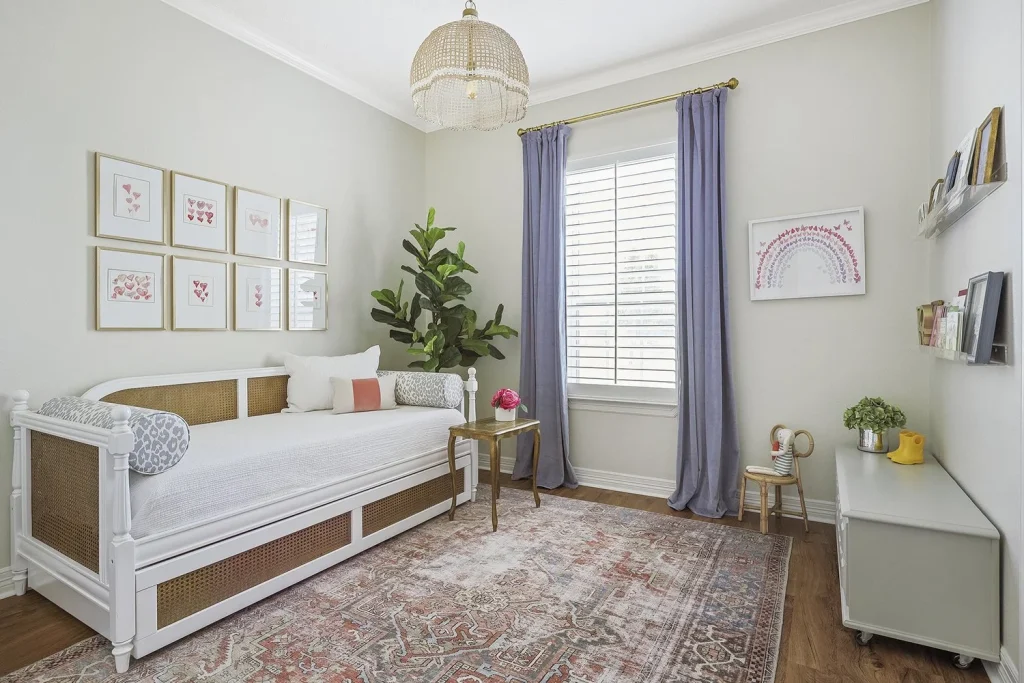
What Designers Can Borrow From Annie Without Copying Her
You don’t need Annie’s palette to learn from Annie’s approach. You need her discipline: how she listens, how she edits, how she protects negative space. That skill travels to any style.
Here are a few moves worth stealing.
- Start with how the client wants to live, then translate into design choices.
- Pick one grounding element per room, then build around it slowly.
- Use texture to add depth, not more colors.
- Keep one surface quiet in every vignette, so the eye can rest.
Also, document your sourcing logic as you go. Not for busywork—so approvals move faster and revisions don’t eat your margin. DesignerInc’s community coverage in Relationships ByDesign keeps coming back to this point for a reason. Great relationships reduce rework, and rework kills profit.
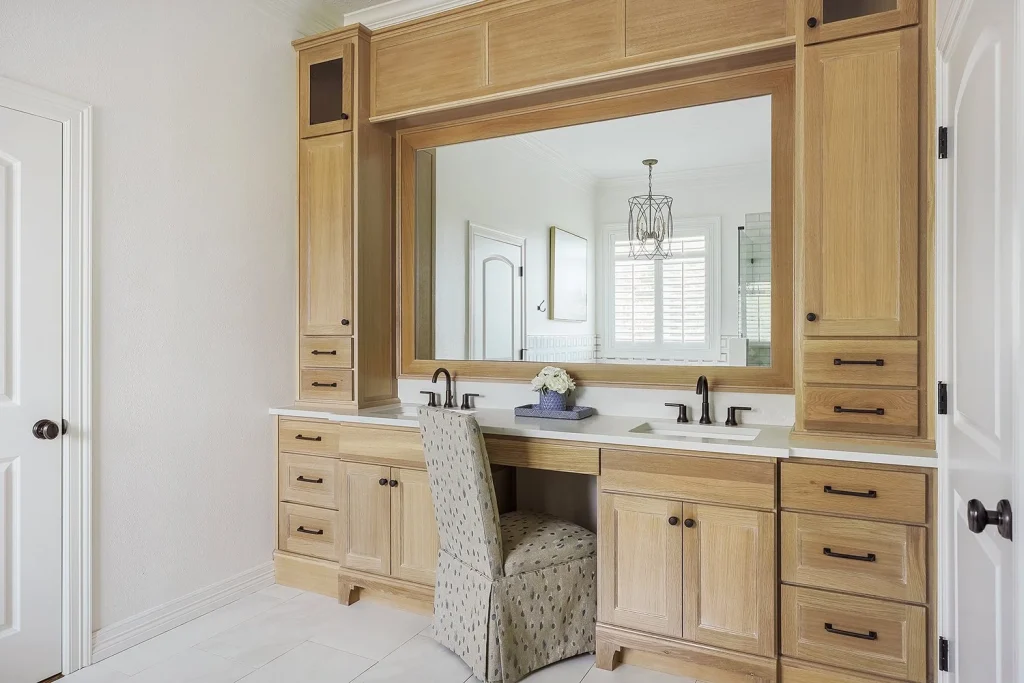
Explore the DesignerInc Community
If Annie’s work resonates, it’s probably because you care about quality and clarity, not noise. That’s the lane DesignerInc has built for. It’s where designers stay close to makers, materials, and the conversations that actually affect your installs—the stuff you feel in the schedule, the budget, and the finished room.
Visit and Follow Annie Clark
Website: https://1906design.com
Instagram: https://www.instagram.com/1906.design/