Marissa Matiyasic Designer Spotlight and the Quiet Power of Livable Luxury
Some rooms photograph like a dream and still make you feel like you’re doing something wrong just by sitting down. You don’t spill the coffee. You don’t put your feet up. You don’t exhale. Designers in the ByDesign from DesignerInc community talk about this all the time, because the difference is rarely budget.
Marissa Matiyasic’s work is a good reminder that a calm room isn’t an accident—it’s a chain of decisions that actually respects how people live. I’m going to show you why her spaces land the way they do, how that shows up in client satisfaction (the kind you can feel at install), and what it says about where residential design is moving right now.
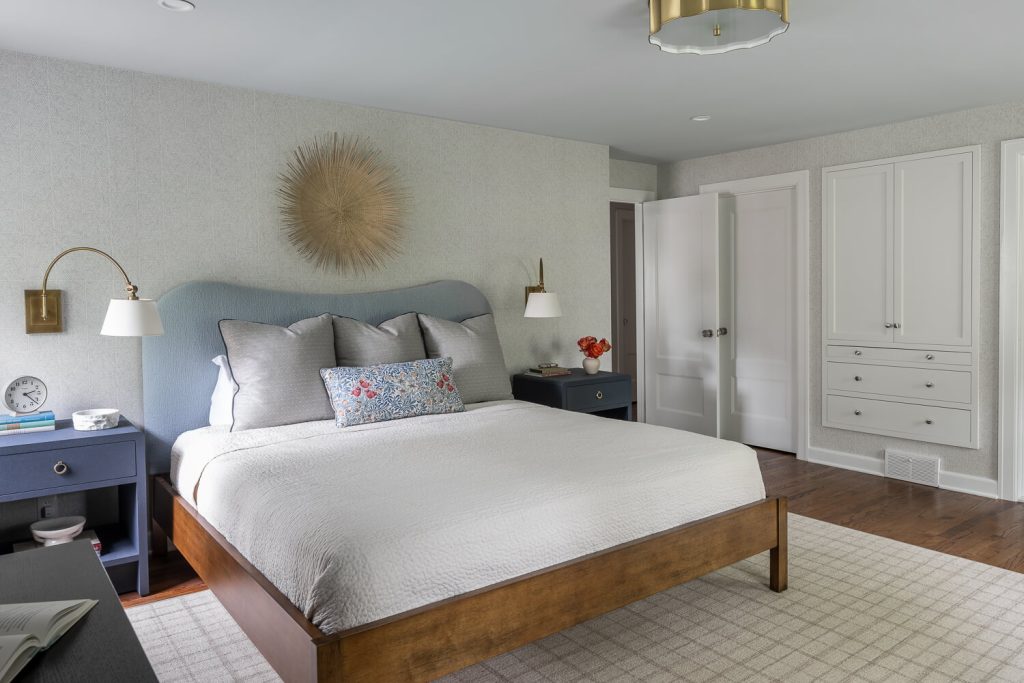
Why Marissa’s rooms feel easy, not staged
Marissa Matiyasic, founder of Reflections Interior Design in Cleveland, designs the way a smart host thinks. She starts with the entrance, the drop zone, the “where does the bag go,” and what happens when dinner turns into late-night conversation and nobody wants to leave. That’s not soft thinking. That’s function with emotional IQ—aka the part of design that keeps a house from feeling like a showroom.
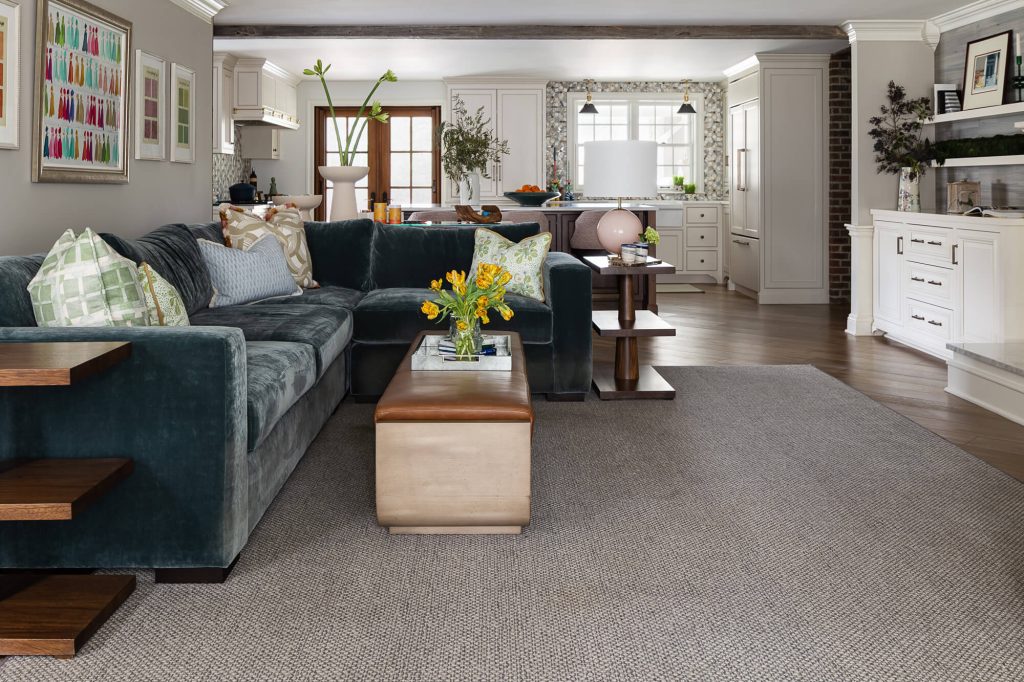
Here’s what most people miss. “Livable” doesn’t mean sloppy, and it sure doesn’t mean “just add a slipcover.” In Marissa’s hands, livable means edited sightlines, materials that can take a hit, and seating that feels like an invitation—not a sculpture.
That same bias toward real life shows up across the DesignerInc editorial lens, especially in the way the platform highlights designers who build for humans, not for applause, in its designer profiles and stories. A room can be elevated and still let a dog exist. If your client has to apologize for living in their own home, you didn’t finish the job.
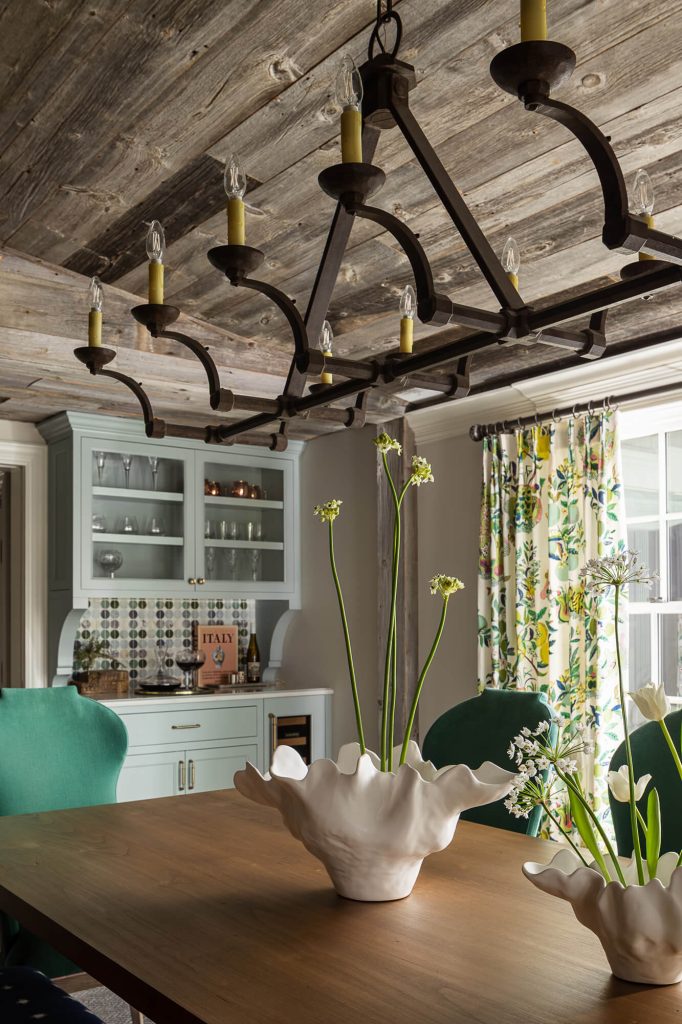
Layering without fuss takes discipline
Her spaces read layered without looking busy, which is usually a sign of restraint—not shopping stamina. The architecture stays legible. The shapes don’t fight. Then texture steps in and does the heavy lifting.
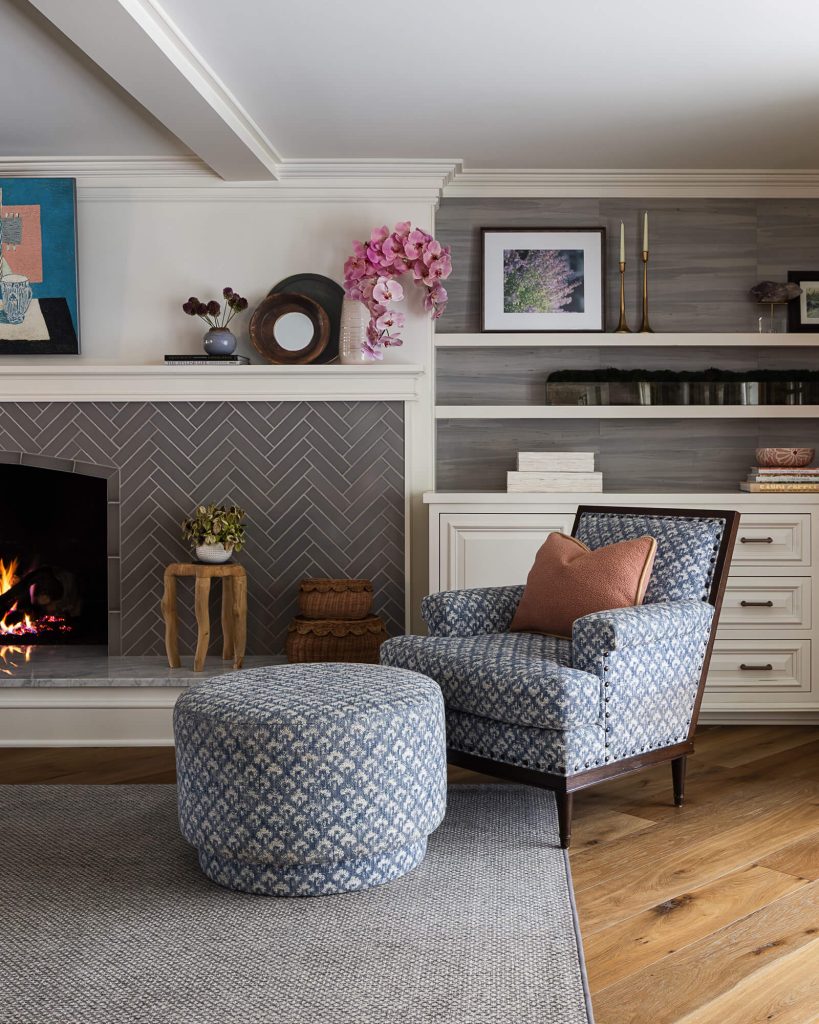
Tactile materials matter because people touch what they trust. Nubby upholstery. Honed stone that doesn’t glare under lamps at night. Woods with warmth instead of that cold, gray “rentable” look that already feels dated. And metals that don’t yell across the room. If a finish reads precious, clients treat it like a museum piece. If it feels grounded, they live in it—without fear.
On the sourcing side, this is where relationships with the right makers change everything. You can’t spec your way out of a bad workroom or a sloppy cushion fill. DesignerInc keeps that conversation practical by spotlighting production realities and craft standards in its manufacturer features, which is where designers learn what “quality” actually looks like when you’re staring at a spec sheet and trying to make a call that has to hold up for years.
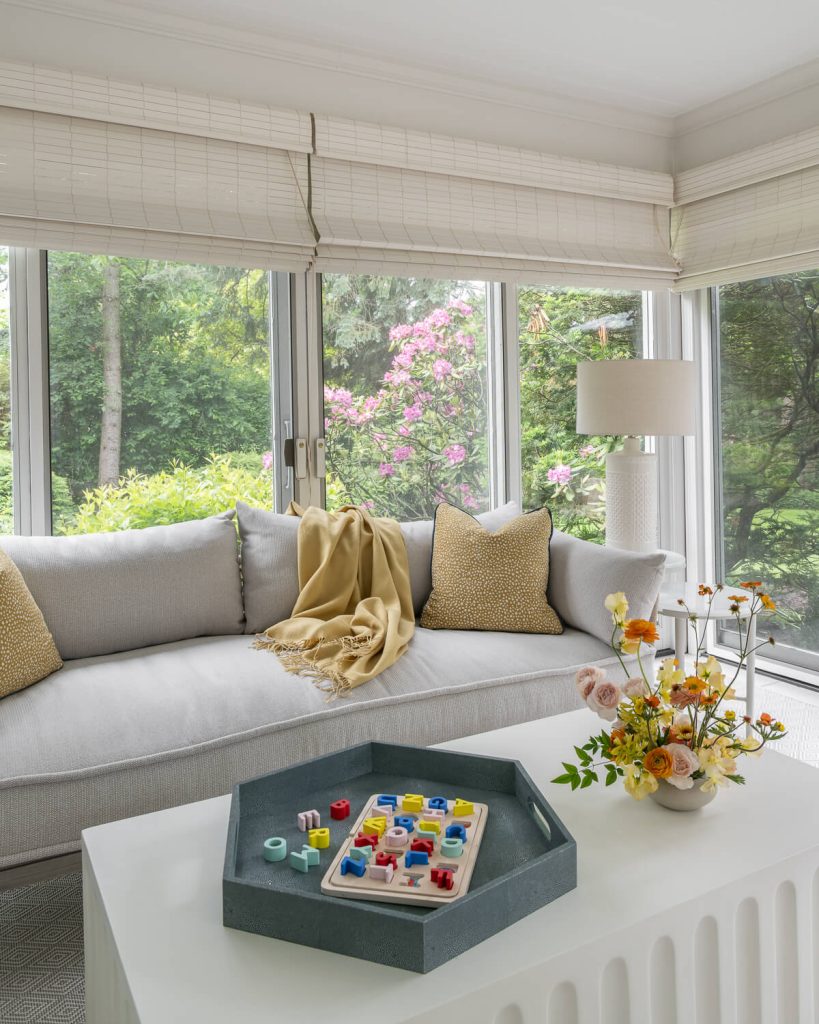
Historic bones, modern life, and the tricky middle
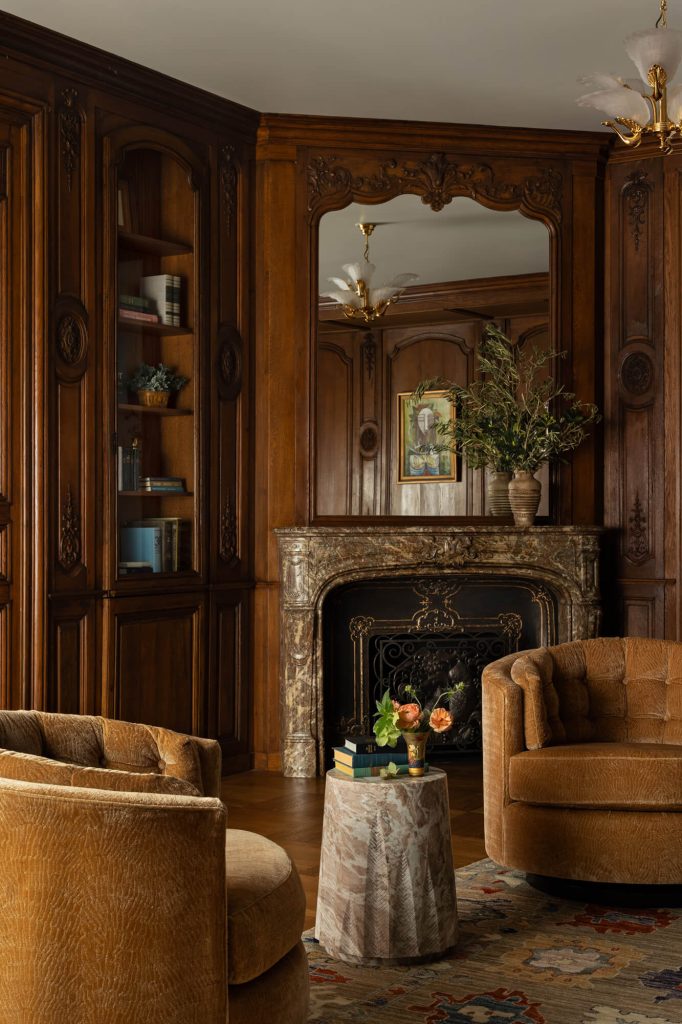
Marissa moves between historic homes and contemporary builds, and that range matters. Plenty of designers can make a new build look good in a render. The real test is walking into a house with quirks—odd corners, low outlets, original trim you don’t want to touch—and making it work for the way people live right now.
Let me be blunt. Historic homes don’t fail because they’re old. They fail because modern families need charging zones, bigger seating, layered lighting that doesn’t feel like an afterthought, and storage that looks intentional instead of “we’ll add a cabinet later.” (And “later” never comes.)
This tension is all over residential design right now, especially in what clients are willing to pay for and what they’ll try to cheap out on—usually lighting and upholstery, until they regret it. DesignerInc tracks those shifts in its industry articles, and the pattern is consistent. Clients want character first, then they want comfort. In that order. Pretend otherwise and you’ll be rewriting your plan mid-stream.
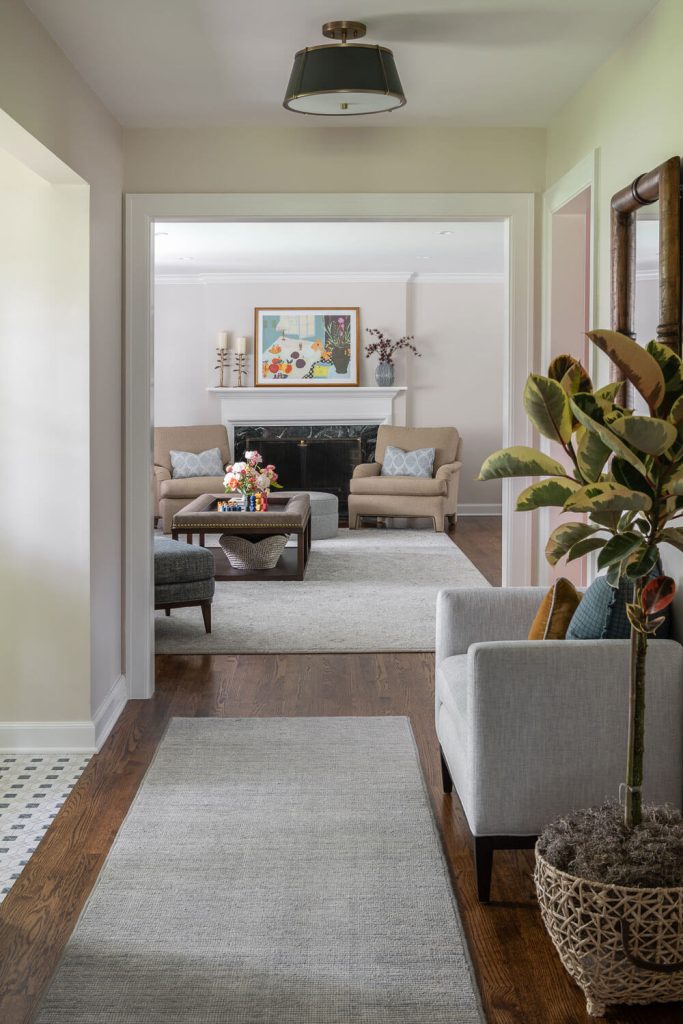
The anti-ego approach that clients actually feel
Marissa’s clearest belief is that design should reflect the people who live there, not the designer. That sounds obvious. It isn’t, and you know it.
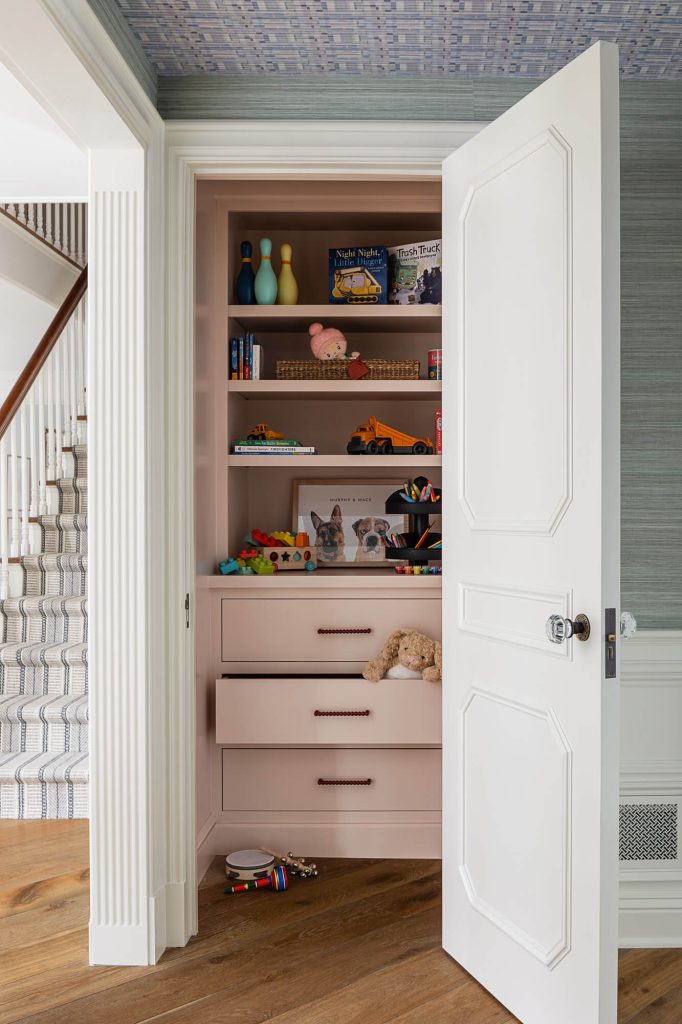
Clients can tell when a room is built for a portfolio instead of a life. They may not have the vocabulary, but they feel it in their bones. That’s when you get the endless revisions, the vague “I love it, but…,” or the quiet thing nobody wants: a finished room they don’t actually use.
The designers who last build trust by listening, not posing. You’ll find that same bias toward authenticity in DesignerInc’s editorial coverage of relationship-driven work, especially inside Relationships ByDesign, where the human side of the business gets the attention it actually deserves.
What her process implies for every working designer
If I had to pull one lesson from Marissa’s work, it’s this: process is the product. A calm room usually comes from a calm decision trail—and a designer who doesn’t let the project spin out every time a client sends a screenshot at 11:47 p.m.
Here are four practical moves designers can steal from this approach.
- Start with daily rhythms, not style words. Ask about mornings, hosting, and what annoys them at home.
- Choose a tight material family early. Limit the “maybe” options before you start layering.
- Use contrast on purpose. Pair clean silhouettes with tactile fabrics so the room feels human.
- Edit the last 10 percent hard. That’s where clutter sneaks in and undermines the whole mood.
That last point is where sourcing discipline matters, because late additions often come from panic—panic during lead times, panic during install week, panic when a backorder blows up your pretty plan. DesignerInc’s manufacturer highlights are useful here, since they keep the focus on pieces with staying power, not “we need something by Friday” band-aids.
Quiet luxury is not a trend, it’s a standard
People keep calling this “quiet luxury,” like it’s a new internet phrase. In real houses, it’s just a return to standards clients never stopped wanting. Comfort. Longevity. Materials that get better with time instead of looking tired after one holiday season.
Industry coverage backs that up. Business of Home has tracked ongoing consumer interest in quality and home investment since the pandemic years, and you still see the ripple in how clients prioritize durability and craftsmanship in key rooms. A useful read is their ongoing market reporting at Business of Home.
On the shelter side, Architectural Digest continues to highlight the staying power of rooms that balance restraint with richness, especially when texture and proportion lead the design. Their interiors coverage at Architectural Digest is a good barometer of what’s sticking.
Marissa’s work sits in that lane because it’s not trying to be loud. It’s trying to be right. That’s a tougher target. Clients can feel it when you hit it.
Where DesignerInc fits into this kind of work
Designers who build “collected over time” rooms still have to source in real time. Lead times, COM requirements, finish approvals, freight constraints—none of that disappears because your concept board looks effortless. The room can whisper, but the logistics still shout.
I was walking a showroom in High Point last spring and saw this exact issue play out. Two designers fell for the same silhouette. One asked about frame build and cushion spec. The other asked only about price. Guess whose client called six months later with sagging seats.
DesignerInc tends to attract the first kind of designer, because the platform keeps the conversation anchored in what matters. Craft. Vendor accountability. Clear information. The editorial side covers the culture and the business, and the community side connects designers to makers who can actually deliver. If you want to browse that lens, start with DesignerInc editorial highlights and see what themes keep repeating.
Explore the DesignerInc Community
If Marissa Matiyasic’s approach resonates, take it as a cue to tighten your own sourcing and relationship ecosystem. The right makers make your work calmer, your installs smoother, and your clients more confident.
I’d point you toward the DesignerInc community for exactly that reason. It’s built for designers who care about the long game, not the quick win.
Visit and Follow Marissa Matiyasic
Website: https://reflectionsid.net
Instagram: https://www.instagram.com/reflectionsinteriordesign/
Facebook: https://www.facebook.com/ReflectionsInteriorDesignLLC/#