Colleen Langdon | Designer Spotlight, and the Quiet Power of Livable Rooms
Most homes don’t need more stuff. They need better decisions. That’s why I keep coming back to the kind of perspective you see across ByDesign from DesignerInc, where the real conversation is about craft, sourcing, and rooms that hold up to real life.
Colleen Langdon, founder of Crafted Quarters, designs with that same steady clarity. Her work feels calm because it’s edited, not staged. You’ll see how she builds warmth through restraint, how she plans for families as they change, and why her approach hits so hard right now.
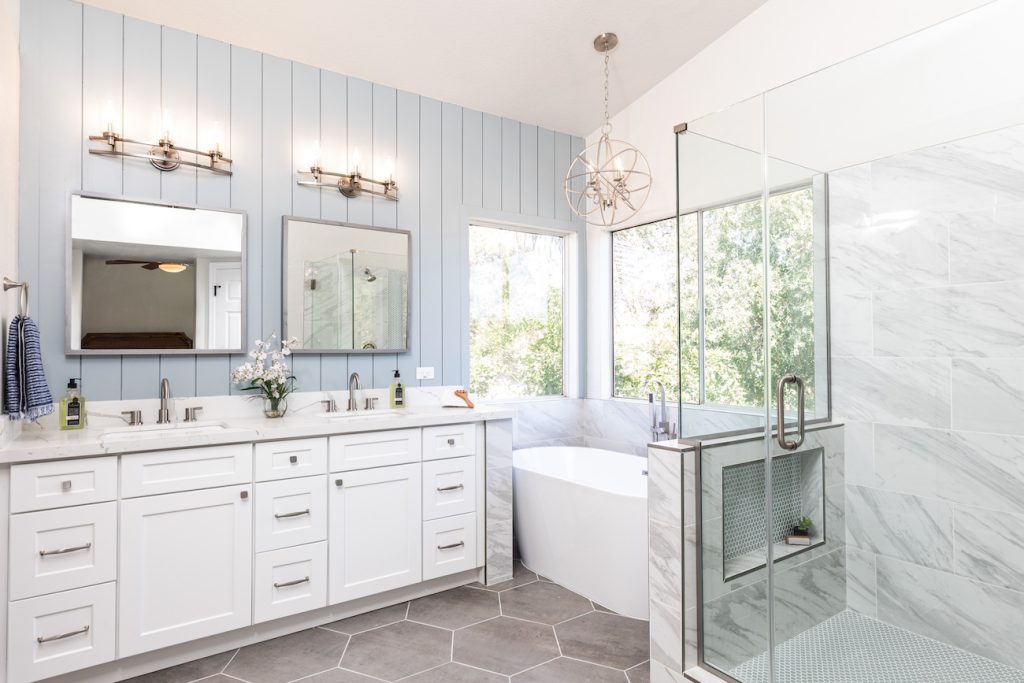
What Colleen Langdon Gets Right About Real Life Design
There’s a quiet confidence in Colleen’s rooms that reads fast. Nothing is begging for attention, but nothing feels like it came out of a starter pack either. It’s the difference between “finished” and “settled,” and designers know that gap is where the good work lives.
She designs like a storyteller, which sounds fluffy until you track how she gets there. She doesn’t start with the throw pillows. She starts with how people move, where they land, and what they’re carrying when they walk in the door. Then the material choices follow like they’re supposed to. If you want a broader sense of how DesignerInc frames that designer mindset, spend time in the Designer community coverage and you’ll spot the same through-line.
Let me put it this way: Colleen makes rooms that can take paw prints and still feel pulled together. That’s not an aesthetic. That’s a skill.
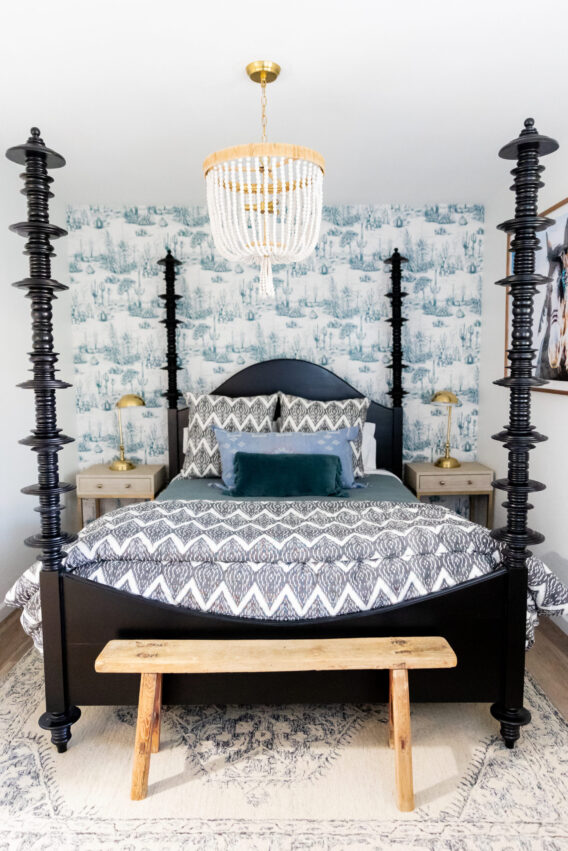
The Case for Warm, Edited Spaces in 2026
We’re past the era of one-note “statement rooms.” Clients still want spaces that photograph well, sure, but they also want a room that works on a Tuesday night—when the backpack hits the floor, the dog claims the corner, and somebody’s eating takeout at the island.
That shift has pulled a lot of designers back toward the basics that actually last: durable materials, softer contrast, and furnishings that look like they’ve been gathered over time instead of ordered in one big, shiny batch. Colleen’s work sits right in that lane. She layers character without relying on novelty, and that’s how projects avoid dating themselves five minutes after install. If you track current conversations around taste fatigue and longevity, you’ll see it echoed in the industry coverage on DesignerInc industry articles.
Architectural Digest has also been calling out the return to comfort-first interiors, especially in the way people are prioritizing texture and ease over spectacle. That bigger pattern matters when you’re explaining choices to a client who’s stuck on “but will it look special?” Here’s a helpful pulse-check from Architectural Digest as the market keeps leaning toward lived-in luxury.
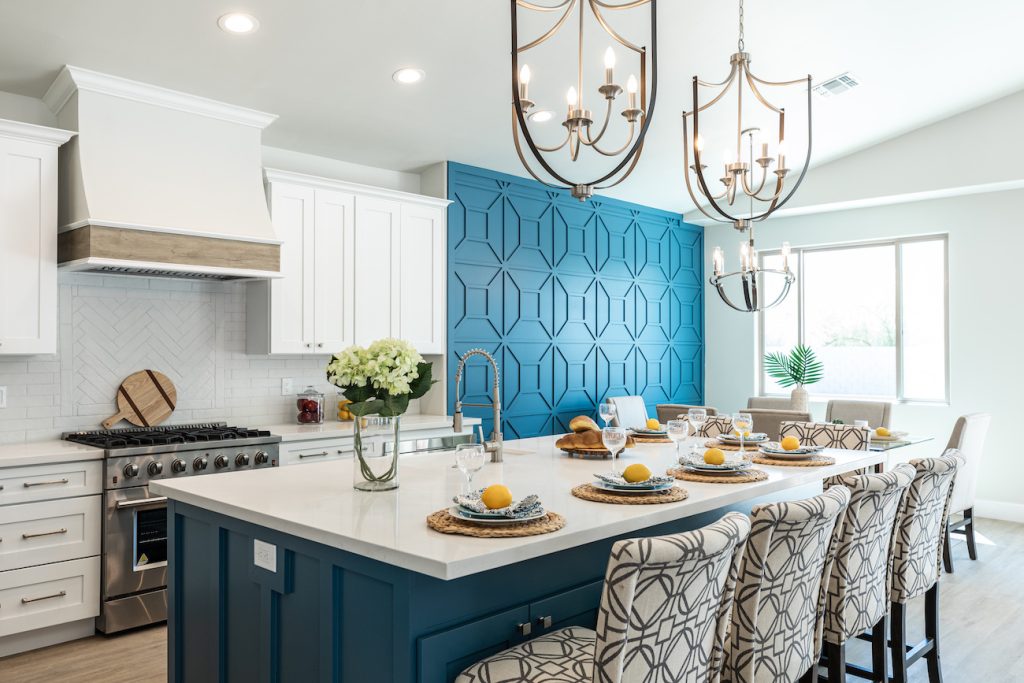
Inside Her Process, Listening Comes Before Layouts
The thing nobody tells you is how much good design is translation. Colleen listens closely, then turns those conversations into layouts that support daily routines. It’s not just about circulation. It’s about friction—where life gets annoying—and how to design it out.
From there, she builds cohesion across disparate pieces. Most clients aren’t starting from zero. They’ve got inherited furniture, marketplace finds, and a few “non-negotiables” that may or may not be good ideas. That’s where a designer either steamrolls the space into a look, or edits with care and a little patience. If you want a window into how designers sharpen that editing muscle, browse the thoughtful features inside DesignerInc editorial highlights.
When the process works, the client feels seen. The room feels inevitable—like it was always meant to end up there, even if it took some messy decision-making to arrive.
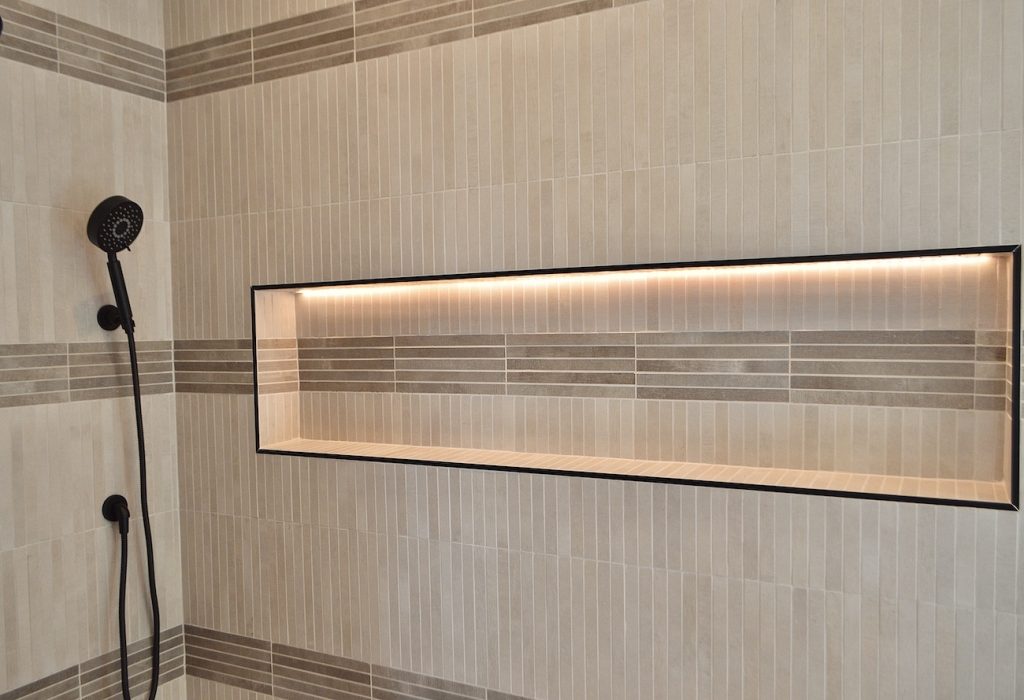
How She Makes Disparate Pieces Feel Like a Collection
Cohesion almost never comes from matching everything. It comes from repeating the right elements in the right places. Colleen tends to anchor a home with a consistent material story, then lets the personality show through shape, textile, and art. You can feel the control without feeling the control, which is the point.
If I had to pick one thing that makes this work, it’s disciplined restraint. She doesn’t add “just one more” to prove she did her job. She edits so the best pieces can breathe—and that’s exactly what a lot of designers are wrestling with right now, especially when clients are over-consuming inspiration and under-committing to a plan.
At the trade level, this is where reliable partners matter. Designers need makers who can hit the tone and deliver on quality, not just the sample. The platform conversations inside DesignerInc manufacturer features are useful here because they keep the focus on what actually performs in a finished home, not what looked pretty on a swatch card.
Durability Is Not a Compromise, It’s a Design Choice
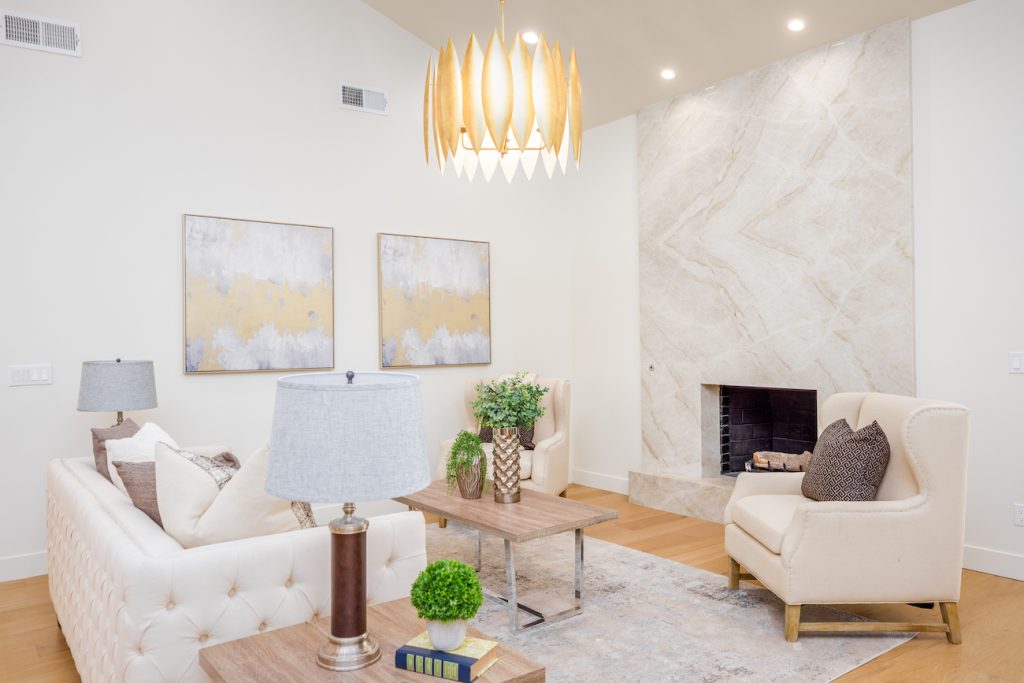
Livable doesn’t mean basic. It means you specify with consequences in mind. Colleen’s rooms feel relaxed because the materials can take a hit and the plan isn’t precious. That’s why the spaces feel inviting instead of stiff.
Here’s what most people miss: when you choose durable upholstery, it changes the whole mood of a room. People sit down. Kids sprawl. Guests stop hovering like they’re in a gallery. (Been in too many client homes where everyone is afraid to touch the furniture. That’s not luxury. That’s anxiety.)
If you’re looking for real guidance on performance textiles and what benefits actually matter, the textile education from the Textile Exchange is a solid grounding point for fiber considerations and responsible production practices. It’s not trend talk. It’s substance.
Full Service Design That Supports Changing Families
Colleen offers full-service design, furnishings, and styling, and that’s where her work really clicks. Full service only works when you can juggle timelines, trades, and the emotional side of decision fatigue. I’ve watched plenty of projects stall because clients can’t picture how ten small choices become one coherent home—and they start second-guessing every single one.
She helps clients move through that fog with clear direction. Durable materials, thoughtful layouts, and details you can’t grab off a shelf. That last part matters, because a home gets its soul from what can’t be duplicated. Custom isn’t about bragging rights; it’s about proportion, fit, and function—making the room behave the way it should.
DesignerInc has been building more visibility around that relationship between designers and makers, especially in how trade partnerships shape the final result. The ongoing conversation in Relationships ByDesign puts language to what many designers feel but don’t always articulate.
What Designers Can Borrow From Colleen’s Approach
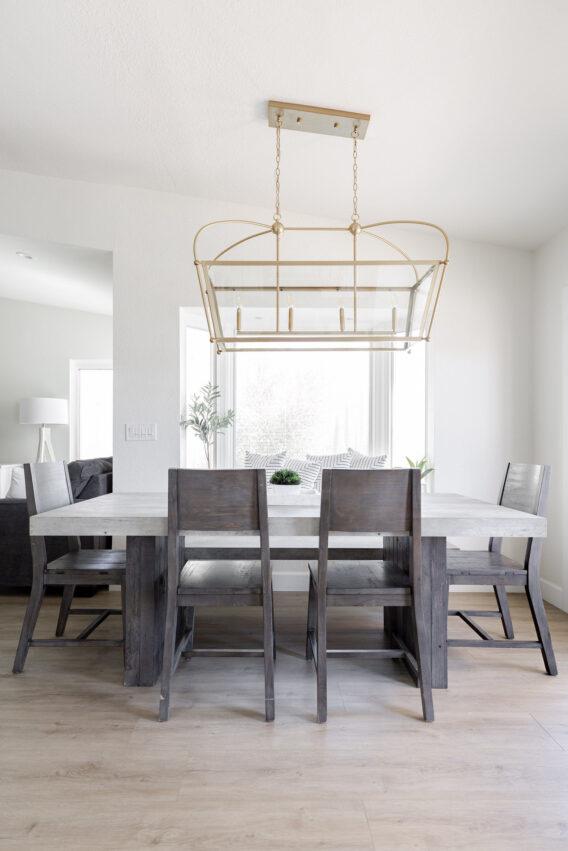
You don’t have to design like Colleen to learn from her. You just have to notice what she repeats—and what she refuses to do. The method is steady, and it scales across styles.
Here are four moves worth stealing for your next project.
- Start with habits, not inspiration images, then build the plan around them.
- Pick a material palette early, so every later decision has a filter.
- Mix old and new on purpose, so “collected” feels earned, not accidental.
- Edit the accessories last, because styling should confirm the story, not invent it.
And yes, lead times still matter. The number of designers who underestimate lead times still floors me. If you’re working through sourcing strategy, the practical stories inside manufacturer highlights can help you spot where production realities tend to show up—usually right after you promised a client “we’ll have it by then.”
Why DesignerInc Keeps Showing Up in These Conversations
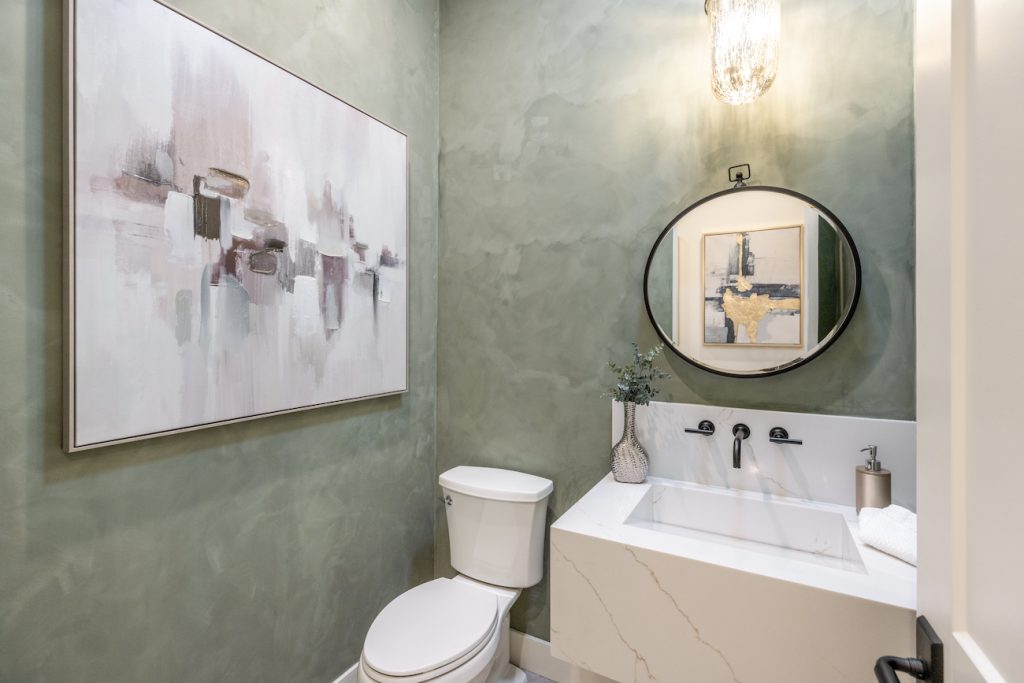
Good design is built on good information. Designers need context on makers, materials, and what’s actually happening in the furniture pipeline. That’s a big reason the DesignerInc editorial world has become a smart reference point for working pros.
It’s not about hype. It’s about clarity—and the kind of insider knowledge you only get when you pay attention to the people making the work. If you’re the designer who wants fewer surprises and better outcomes, you end up in communities that treat sourcing like a craft, not an afterthought.
That’s also why spotlights like this matter. They give language to what success looks like when beauty and real life have to coexist, in the same room, on the same day.
Explore the DesignerInc Community
If Colleen Langdon’s approach resonates, follow that thread. Spend time with the designers, manufacturers, and industry reporting that lives inside DesignerInc’s orbit. It’s the kind of resource you check when you want sharper instincts and better partners.
Visit and Follow Colleen Langdon
Website: craftedquarters.com
Instagram: https://www.instagram.com/craftedquarters/
Facebook: https://www.facebook.com/craftedquarters/