Kristina Windham | Designer Spotlight, for Homes That Exhale
Busy households don’t need more rules. They need rooms that can take a hit, feel good at 7 a.m. and 7 p.m., and still look like someone with taste showed up. That’s the line Kristina Windham walks well—and it’s why her work connects with families who want beauty without the performance.
DesignerInc talks a lot about homes that live well, not just photograph well, and you see that same heartbeat across ByDesign from DesignerInc. In this spotlight, I’m calling out what Kristina gets right about warmth, function, and sourcing—and what working designers can borrow without copying her look.
Why Warm Minimalism Keeps Winning With Real Families
Clients are tired. They’re juggling work, kids, pets, sports schedules, and a calendar that never loosens up. When a space feels calm, it reads as luxury—even if the palette is quiet and the “wow” is subtle.
Kristina’s rooms lean into soft color, layered texture, and light that changes through the day. This isn’t blank, barren minimalism that looks good for a listing photo and collapses the minute someone drops a backpack. It’s restrained, yes, but it still has a pulse. The whole point is giving people permission to relax.
If you want a wider read on how livability is taking over the conversation (and thank God for it), I keep pointing designers back to the broader coverage in DesignerInc industry articles. The message is consistent: comfort isn’t a downgrade. It’s the flex now.
What Kristina Windham Gets Right About Lived In Beauty
Here’s what most people miss: “functional” doesn’t mean you stop caring about the details. It means your details earn their keep.
Kristina listens first, then designs around what she heard. That sounds obvious until you’ve sat in enough client meetings where a designer steamrolls the family’s real habits because the mood board is “so pretty.” When you translate actual life into a plan—where the shoes land, where the dog sleeps, where the backpacks explode—the room feels familiar fast, even on install day.
Designers who want to see how other pros communicate a real point of view (not just a pretty grid) should spend some time in the DesignerInc designers archive. Style is only half the story. The other half is how you protect the client’s actual life from the design.
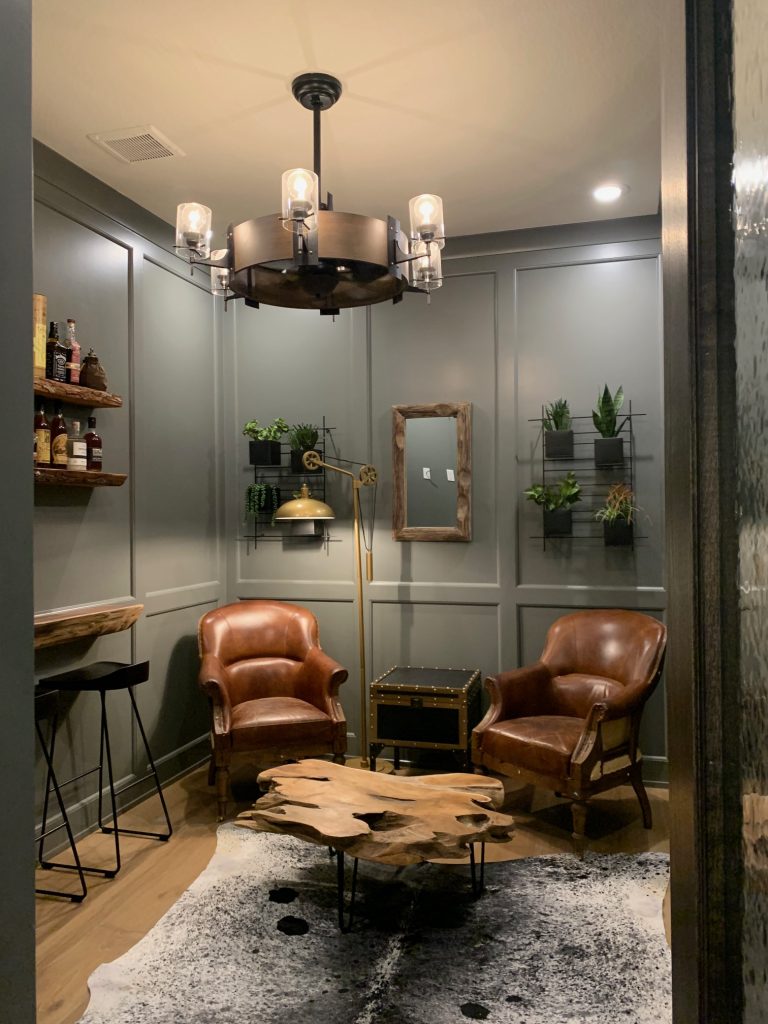
The Quiet Power of Soft Color and Layered Texture
Soft color isn’t “safe” when it’s done on purpose. It’s disciplined. It lets finishes, textiles, and light carry the emotional weight instead of relying on high-contrast drama to do all the talking.
Kristina’s portfolio shows warmth coming from tone-on-tone decisions: creamy neutrals, gentle clay notes, wood that doesn’t swing orange or go dead-gray. Then she builds texture so the room doesn’t go flat—because flat is what makes neutral look cheap, and we’ve all seen that movie.
If you need a credible, client-friendly way to explain why texture changes everything, Architectural Digest has a useful overview on how layered materials influence a room’s feel in everyday living. See Architectural Digest on adding texture.
Layouts That Work When Life Gets Loud
I’ve watched this play out more times than I can count: a gorgeous room fails because circulation was treated like an afterthought. Then the client starts “fixing” it with clutter, because the house is trying to solve the problem the plan ignored.
Kristina’s work reads as calm because the layout does the heavy lifting. Seating is placed like people actually live there. Walkways stay open. Storage isn’t an apology you hide behind a door—it’s part of the plan from the start. (And yes, you can feel that difference the second you walk into a room.)
When you’re sourcing pieces that can take daily use, stay close to the maker side of the conversation. I often browse the manufacturer coverage in DesignerInc manufacturer features to sanity-check what’s out there, what’s holding up, and what’s just good lighting and a flattering angle.
Room Refreshes and E Design That Still Feel Personal
Not every client needs a full remodel. A lot of households just need a reset that’s smart, targeted, and honest about budget. Kristina meets clients where they are with full-service interior design, room refreshes, and e-design options—and that flexibility matters right now.
Let me put it this way: a refresh works when you change the constraints, not just the decor. Lighting placement, seating depth, rug scale, and storage will do more for daily sanity than another pile of throw pillows. (Been in too many client meetings where that realization shows up late, after the “cute” stuff is already ordered.)
For designers building packages and process, study how different studios present scope and value without getting salesy. The editorial mix inside DesignerInc editorial highlights can spark sharper ways to frame what you do and why it matters.
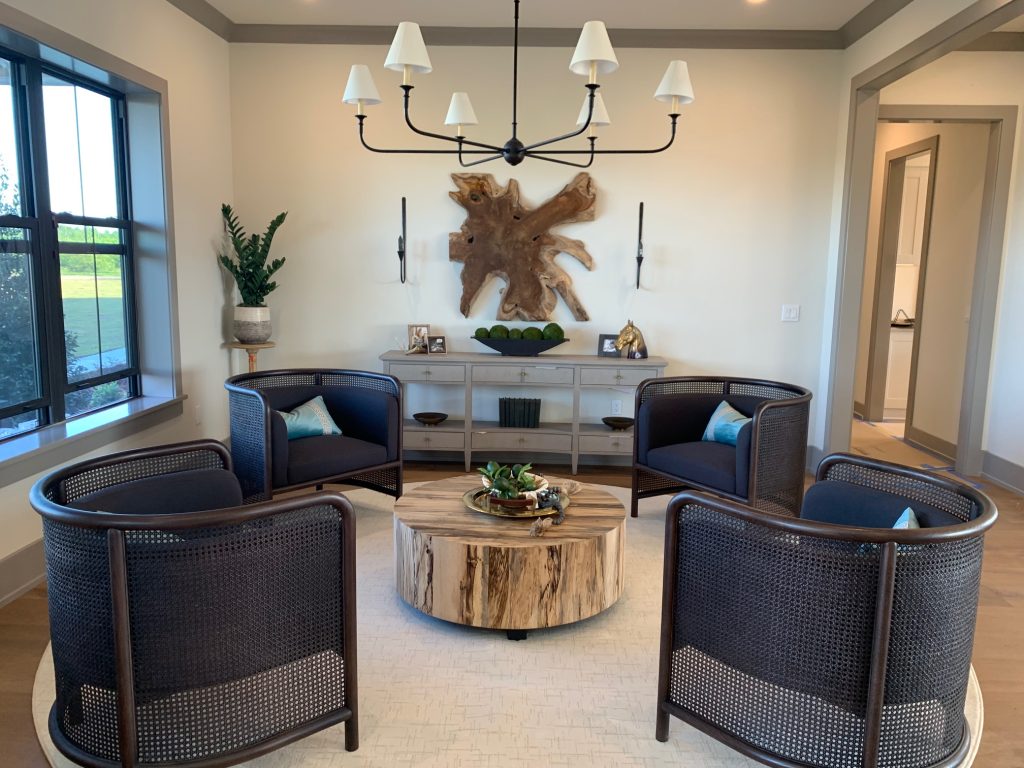
Sourcing for Families Means Specifying for Wear
The number of designers who still underestimate real wear floors me. “Performance” isn’t a trendy word you sprinkle in at presentation time. It’s a promise your client will remember the first time grape juice hits the sofa.
If I had to tighten up one thing across the industry, it’s this: make durability part of the story from day one, not a quiet upgrade you mention at the end. Families will pay for peace of mind when you explain it clearly—what will clean up, what will patina, what will look tired in a year, and what will still look good when the kids aren’t kids anymore.
For practical guidance on indoor air quality and material considerations, the EPA has straightforward references clients can trust. Point them to EPA indoor air quality guidance when conversations turn to finishes, off-gassing, and what a “healthy home” actually means in real terms.
A Simple Framework for Spaces That Feel Instantly Loved
If you’re trying to capture the deep-exhale feeling Kristina gets, build around the rituals that actually happen in the space. Coffee mornings. Homework hours. Friday movie nights. The room should make those easier, not more precious.
Use this three-part check before you finalize any plan.
- Comfort first. Seating depth, lighting glare, and sound absorption matter.
- Function next. Storage placement beats storage volume, in most cases.
- Finish last. Choose materials that age well, not just photograph well.
When you’re comparing options across makers and categories, it helps to see how the DesignerInc world connects product, process, and real working relationships. The perspective inside Relationships By Design gets into what actually builds trust in this business—and what quietly breaks it.
Explore the DesignerInc Community
If Kristina Windham’s work resonates, take that as a market signal. Clients want homes that are warm, practical, and still quietly elevated—and they want designers who can deliver that without making them feel like they’re tiptoeing around their own house. DesignerInc is one of the best places to keep your sourcing sharp while staying plugged into what’s really happening in the trade.
Visit and Follow Kristina Windham
Website: https://www.kristinakreations.com/