Michelle Walsh Designer Spotlight for Calm, Family Friendly Homes
Most clients say they want a home that feels calm. Then real life rolls in—backpacks dumped in the hallway, a dog doing laps on the rug, and a kitchen that somehow looks “used” five minutes after it’s cleaned. The designers who can make a house feel quiet without pretending nobody lives there? Those are the ones I pay attention to.
I keep coming back to the editorial work on ByDesign. from DesignerInc for the same reason. It doesn’t treat “livable” like a buzzword. It talks about what holds up, what performs, and what looks effortless only because someone made hard decisions early (and stuck to them). You’ll see that same discipline in Michelle Walsh’s interiors.
Based in Northern California, Michelle designs spaces with a steady, grounded confidence—clean lines, soft texture, and contrast that doesn’t get cute for the sake of it. Let’s talk about why her rooms feel so easy to be in, and how her process keeps clients from spiraling into “one more option” until the whole thing stalls.
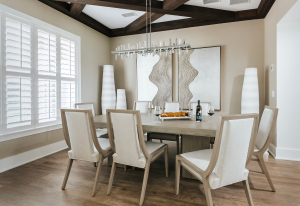
Why Quiet Rooms Feel Harder Than Loud Ones
Calm rooms are rarely empty rooms. They’re edited rooms. That difference sounds small, but it’s everything.
Restraint is a skill, not a style. I’ve watched plenty of designers chase “serene” and end up with a space that feels blank—like a waiting room with better art. The good ones know how to keep the noise down while still letting the client show up in the details.
Michelle Walsh’s work proves restraint can still feel personal. She listens first, then selects. That order matters, especially in family homes where function will try to bully beauty if you let it.
One thing I notice across the DesignerInc community: the strongest interiors start with values, not vignettes. If you want a broader look at how designers are approaching livability right now, spend time in the Designers category and notice how often “ease” comes up. That word gets thrown around, sure—but in the best work, it’s earned.
What Michelle Walsh Gets Right About Listening First
Let me put it this way. Plenty of designers can pick a pretty sofa. Fewer can translate a client’s daily rhythms into a layout and finish plan that still looks polished.
Michelle’s strength lives in the questions she asks before she ever “decorates.” Where do shoes actually land? Where does the dog sleep? Which hallway turns into the crash zone at 5 pm when everyone comes through the door at once?
Those aren’t cute lifestyle questions. They’re specification questions. They tell you where the rug can’t be precious, where the upholstery needs to work harder, and where a beautiful table edge is going to get destroyed by a backpack buckle. (Been in too many client meetings where this came up too late.)
That kind of clarity echoes the best sourcing conversations I see between designers and makers inside DesignerInc. The platform is built around that exchange—intent meeting product reality, with fewer fairy tales in between. If you want to see how that relationship shows up from the maker side, browse the Manufacturers stories while you’re thinking about how listening shapes specification.
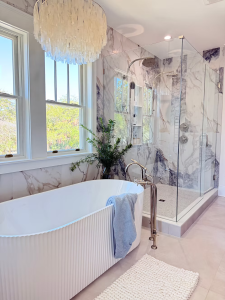
Soft Texture, Clean Lines, and Contrast That Behaves
Michelle’s rooms don’t shout. They exhale. And that’s not accidental—it comes from controlling shapes and surfaces, then using contrast like a tool instead of a personality.
In practice, it’s usually a quiet baseline with a few sharper notes: a tailored silhouette that keeps a room from going sleepy, a darker metal that adds structure, a grounded wood tone that keeps pale textiles from floating away.
If you’ve ever had a client ask for “warm minimal,” this is the lane. And yes, it’s trickier than it sounds, because every little choice shows. When the palette is quiet, proportion and finish do all the talking (NC State trained me to see that fast, and I can’t unsee it).
It also tracks with what I see in current editorial coverage across DesignerInc, especially in product focused releases like Manufacturer Highlights. You can spot the same principle there. Great pieces don’t beg for attention. They earn it over time, in a real room, under real light.
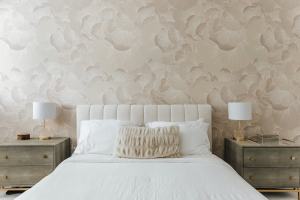
The Client Experience Is Designed, Not Just the Living Room
The thing nobody tells you is that clients judge design by how it feels to go through the process. Not just the reveal. If the middle is chaos, the memory is chaos—no matter how pretty the final photos are.
Michelle’s approach is rooted in collaboration and clarity. She guides clients from early vision through furnishings, finishes, and the small details that land as “this is so us.” That’s not luck. That’s project management with taste.
Designers love to talk about the fun parts—tile, lighting, the perfect swivel chair. The win usually happens in the unsexy moments: decision sequencing, what gets approved first, and how you keep a client from reopening choices because they’re anxious. That’s the real work.
This is where DesignerInc’s editorial perspective is useful. It treats sourcing and process as tied at the hip. If you want more on how designers are building smoother client journeys around product selection, read a few Industry Articles and count how often lead times and decision sequencing come up. That’s the stuff that keeps the glamour from collapsing.
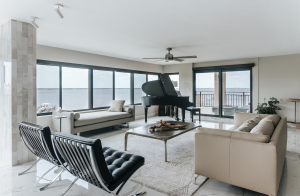
Family Friendly Does Not Mean Settling
I’ve seen “kid friendly” become code for cheap. That’s a mistake. It usually costs more later—in replacements, in frustrations, and in that little sting of regret every time you look at the worn-out thing you knew you shouldn’t have bought.
Michelle balances practicality with beauty, which is the real assignment. Performance fabrics. Finishes that forgive. Layouts that anticipate traffic patterns instead of fighting them. It’s not about making a home indestructible; it’s about making it resilient.
If you need backup for a client who thinks durability kills style, point them to credible design coverage. Architectural Digest regularly breaks down the rise of performance materials in real homes, and their design pages are a helpful reference point for client education. See Architectural Digest for current examples and product context.
The Planning Behind Effortless Feeling
Behind every serene room is a lot of invisible planning. Measurements. Clearances. Finish coordination. The order of operations that keeps trades from stepping on each other and keeps your client from calling you at 9 pm because “something feels off.”
If I had to pick one thing designers overlook, it’s lead time math. Not “about eight weeks.” Fourteen weeks, not eight, once shipping and receiving hit the calendar—especially when the piece needs a receiver appointment, the building has delivery windows, and suddenly your “simple” sofa becomes a scheduling problem.
I’ve walked enough showrooms to tell you this: the people who give you straight answers about timing are worth their weight in gold. The ones who promise the moon? They usually leave you holding the bag when the client is furious and the install date is pinned to the fridge.
DesignerInc’s manufacturer relationships matter here because they tighten the feedback loop. You get clearer specs and fewer surprises when you know who is making what. For more on how makers talk about timelines, materials, and capacity, dig into Manufacturer Featurettes. It’s the kind of reading that makes you better in client meetings.
What Designers Can Borrow From Michelle’s Approach
You don’t need to live in Northern California to learn from her. These principles travel. They also scale, from a single room refresh to a full build.
Here are a few moves worth stealing, in the best way.
- Start with daily life. Ask about mornings, drop zones, and the mess nobody posts.
- Build a calm base. Keep the big surfaces quiet so the room can breathe.
- Add contrast with limits. Pick one or two contrast notes and repeat them.
- Specify for wear. Choose materials that look better after a year, not worse.
- Protect the client from options. Curate, then refine, then lock decisions.
That last one is the secret sauce. Decision fatigue is real, and it’s usually the reason projects stall. Not because the client is “difficult,” but because they’re overwhelmed and scared of making one wrong call that they’ll live with for ten years. DesignerInc covers that human side of the business too, especially in community driven editorial like Relationships ByDesign. Design is relationships, and good process is care in motion.
Explore the DesignerInc Community
If Michelle Walsh’s work resonates, pay attention to the ecosystem around it. Great interiors come from great sourcing, clear planning, and trusted maker relationships. That’s the through line I see again and again in DesignerInc—and it’s the difference between a home that photographs well and a home that actually lives well.
Visit and Follow Michelle Walsh
Website: https://www.michellewalshdesigns.com/