Ariel Bleich Designer Spotlight and the Art of the Lived In Room
Some rooms look perfect and still feel a little cold. You know the type. The sofa is scaled right, the art is expensive, and the whole space somehow reads like a showroom at 10 a.m.—before anyone’s had coffee and before a single throw blanket has been tugged into place by real life.
Ariel Bleich doesn’t do that. Her work has that collected ease designers chase for years, and she gets there without the chaos that usually comes with it. Spend ten minutes with the editorial lens at bydesign.designerinc.com and you’ll see why this matters right now. Designers are being asked to make homes feel personal fast—inside real budgets, real construction schedules, and those lead times that always seem to “shift” the second you hit deposit.
Here’s what you’ll get from this spotlight: how Ariel builds relaxed, refined interiors; why her process actually holds up once the photographer leaves; and what her point of view can teach any designer who wants rooms to feel like an exhale, not a performance.
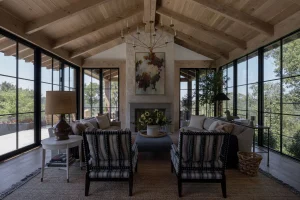
Why Ariel Bleich Rooms Feel Collected, Not Finished
Here’s what most people miss about “collected”: it’s structured. It’s not random. It only looks casual because someone made a hundred small calls, then edited like their life depended on it.
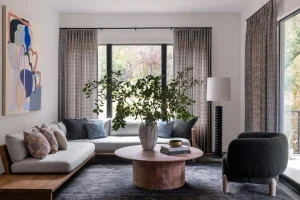
Ariel’s spaces hold clean architecture and soulful layers in the same frame. Picture a crisp elevation paired with a vintage case piece that has a little scar tissue. Or modern art against earthy texture so the room doesn’t feel like it’s trying too hard. If you track how designers talk about this on DesignerInc’s designer coverage, the through-line is pretty consistent: the best rooms have tension. They don’t match; they converse.
And she leaves oxygen in the plan. Not every surface has to perform. Not every corner needs its “moment.” Restraint is a skill, and when you see it done well, it reads as confidence—not emptiness.
Listening First Sounds Simple, Until You Actually Do It
<p“Client lifestyle” is one of those phrases people toss around like it automatically means something. Let’s be real. Plenty of projects rush right past it, and then six months later everyone’s shocked the “beautiful” layout doesn’t work.
Ariel starts by learning how clients live, not how they wish they lived. Morning routines. Where the bags land. Who works at home and who can’t stand seeing a laptop after 6 p.m. That discovery phase drives floor plans, color palettes, and furniture choices that invite actual life instead of politely resisting it.
If you want a broader view of how the industry is shifting toward better process (and why some studios seem calmer than others), spend time in DesignerInc industry articles. The designers who win long-term aren’t just styling. They’re building systems that keep the client experience from going off the rails.
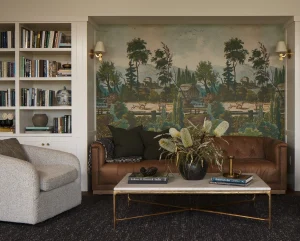
The Quiet Power of a Nuanced Palette
A lot of “calm” palettes are just beige with good PR. Ariel’s color reads calm because it’s layered, not because it’s blank.
She tends to work with grounded tones that give texture and contrast somewhere to land. That’s where the room gets its pulse. A warm plaster wall near crisp trim detail. A vintage rug that brings in a lived-in story (the good kind, not the “looks distressed straight out of the wrapper” kind). A contemporary piece that keeps the line clean so the whole thing doesn’t tip into clutter.
The science on color and perception backs up why this approach works. Contrast affects how we read depth and comfort in a room, even when we can’t name it. For a solid reference point, the Architectural Digest take on color psychology explains how mood and behavior track with hue and saturation choices.
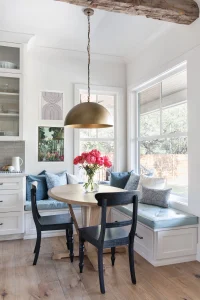
Furnishings That Invite Use, Not Just Photos
I’ve watched this play out a hundred times. A room gets installed, it photographs well, and then the client can’t live in it. The coffee table is too delicate. The rug sheds nonstop. The “pretty” chair is a torture device.
Ariel’s gift is that her homes feel livable from day one. That usually means performance choices made early, not patched in later when everyone’s already annoyed. It also means selecting pieces that can take a Tuesday night—pizza, kids, dogs, red wine, the whole thing—not just a reveal.
If you’re sourcing for real life, dig through DesignerInc’s manufacturer features and pay attention to what gets highlighted. Construction details, finish behavior, and trade reliability keep coming up for a reason. A gorgeous finish that blushes if someone looks at it wrong isn’t “high-end.” It’s a liability.
Vintage Plus Contemporary, Done Without the Pinterest Hangover
Mixing eras is easy to talk about and hard to execute. Most mixes fail for one of two reasons: the vintage is too precious, so it reads like a museum; or the contemporary is too trendy, so the whole thing dates fast.
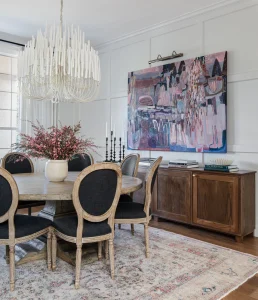
Ariel avoids both traps by keeping the bones clean, then bringing in pieces that feel found, not forced. That’s where the story comes in. Her rooms suggest time and travel without doing that awkward thing where a space tries to cosplay “collected.” (Designers know exactly what I mean.)
Want a wider cultural read on why this mix keeps gaining ground. Dezeen has tracked the shift toward character-rich interiors, especially as minimalism softens. Their ongoing interior coverage is a useful pulse check, including pieces like this perspective on interiors and material-driven design.
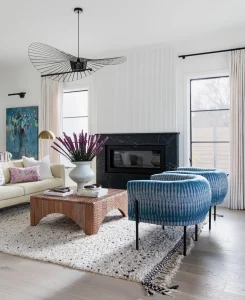
A Process That Protects the Client and the Designer
Calm projects don’t happen by accident. They happen because somebody is minding the details before they turn into chaos—and before a client starts spiraling because “it’s been weeks and nothing is here yet.”
Ariel’s studio handles full-service renovations and furnishings-only scopes, which tells me something: she can scale her process without losing the thread. That takes clear documentation, steady vendor communication, and a realistic read on timelines. Not “best case” timelines. Real ones.
Which brings up something this industry still doesn’t say out loud enough: lead times are a design input, not a backend problem. If you want to see how other pros talk about relationships and trust across the supply chain, read through Relationships by Design on DesignerInc. It’s where the real-world nuance lives.
What Designers Can Steal From Ariel’s Playbook
If I had to pick one thing, it’s her commitment to decisions that support daily rhythm. That’s the difference between a room that looks good and a room that holds up.
Here are a few moves worth borrowing the next time you’re building “effortless.”
- Keep the architecture crisp, then layer softness through textiles and patina.
- Mix one strong vintage piece with quieter contemporary neighbors.
- Use a grounded palette, then add contrast in small, repeatable doses.
- Edit hard so the room has breathing space. Clients feel that immediately.
- Make comfort non-negotiable. Beautiful is not an excuse for awkward.
DesignerInc has a lot of adjacent stories that reinforce these decisions, especially in its editorial highlights. Browse industry editorial highlights when you want examples that connect taste to execution.
The Bigger Point About “Exhale” Design in 2026
The market is tired. Clients are tired too. They want homes that feel good to live in, not homes that perform for strangers online.
Ariel’s work lands because it’s relaxed and still precise. Refined and still playful. Personal without being precious. That combination is harder than it sounds—and you can feel the discipline underneath it, which is the part a lot of people skip when they try to copy the look.
For designers building their own approach, it helps to stay close to communities that value quality and clarity. That’s part of what DesignerInc has built through its publishing and maker relationships, especially in manufacturer highlights, where materials and craft get the attention they deserve.
Explore the DesignerInc Community
If you’re trying to make rooms feel more lived-in and less “set,” keep reading inside the DesignerInc ecosystem. It’s one of the few places that respects both the romance of design and the reality of sourcing. (Because those two things have to live in the same room, whether we like it or not.)
You’ll find designers, makers, and industry context that helps you specify with confidence, not guesswork.
Visit and Follow Ariel Bleich
Website: https://arielbleichdesign.com
Instagram: https://www.instagram.com/arielbleichdesign/
Facebook: https://www.facebook.com/arielbleichdesign/