Erica Reiner Designer Spotlight for Homes That Feel Clean and Lived In
Sustainability in interiors is everywhere right now. The problem is, a lot of it still looks like it was designed to be admired from six feet away, not lived in on a Tuesday night with takeout containers on the counter. I see that tension all the time in the DesignerInc community and across the editorial work at bydesign.designerinc.com, where “in theory” always runs into budgets, lead times, and people who are tired of being sold a story.
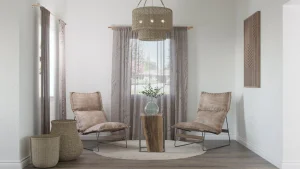
Erica Reiner doesn’t do noise. Her rooms feel calm, human, and quietly elevated—without the preciousness that falls apart the first time a kid spills juice or a dog launches onto the sofa. In this spotlight, I’m looking at how her Eco Method Interiors approach makes low-toxin and responsible choices feel like real design, not a virtue signal.
What Erica Reiner Gets Right About Calm Rooms
Spend a few minutes with Erica’s work and you notice restraint. Not “minimal” for Instagram. Restraint as a skill you earn by knowing what to leave out.
Her spaces read airy and collected, with natural textures doing most of the talking. Color shows up with good judgment—enough to give the room a pulse—then it gets out of the way.
That mix matters right now because clients are burned out. They want beauty, sure, but they want ease even more. The DesignerInc editorial stream inside the designers category keeps coming back to the same point: the best rooms support the people living in them. They don’t ask to be performed for.
The Honest Truth About Eco Friendly Design Decisions
Here’s what most people miss: sustainability isn’t one heroic choice. It’s fifty small choices made under pressure—on a deadline, with a client texting, and a vendor swearing the finish is “basically the same” (it’s not).
Erica treats eco-minded design like translation. She takes the confusing labels, the half-answers, the “proprietary” mystery materials, and turns them into a short list of decisions a client can actually live with—and pay for.
If you’ve ever tried to spec healthier materials while juggling install dates, you know exactly how fast this gets messy. The industry coverage in DesignerInc industry articles follows that shift closely, because more designers are being asked to explain what’s in a product, not just what it looks like in a pretty photo.
Inside Her Process for Low Toxin, High Style Homes
Good process beats good intentions every time. Erica starts where design should start: how people actually live. Kids, pets, cooking, open windows, the weird corner where everyone drops their bags—she designs for the whole picture, not the “after” shot.
From there, she narrows the field fast. Materials get screened for practical health concerns, and furnishings get judged on longevity, not trend heat. (I’ve watched too many projects get derailed by a “cool” material that didn’t belong in that house.)
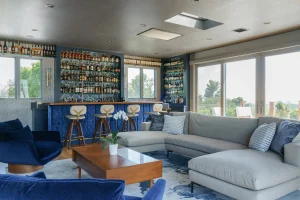
If I had to name her strongest move, it’s clarity. She gives clients a path forward when they’re overwhelmed, which is half the job these days. You see that same respect for sourcing details in the manufacturers coverage, where the difference between great work and pretty photos is usually what happened behind the scenes.
Materials That Quietly Change How a Room Feels
Let’s be honest: most clients won’t remember the wood species. They will remember how the room feels at night when the lamps are on and the day finally stops asking things of them.
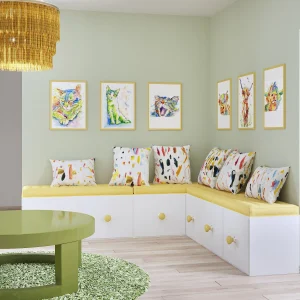
Erica leans into natural texture and breathable comfort—layered rugs, warm woods, finishes that don’t shout. It reads relaxed, but it’s not accidental. The proportions are handled, the surfaces make sense together, and nothing feels like it’s trying too hard.
And yes, the material conversation is getting more technical. VOCs, formaldehyde, and flame retardants aren’t niche topics anymore—they come up in first meetings now. The U.S. Environmental Protection Agency has a useful overview on indoor air quality and common pollutants at https://www.epa.gov/indoor-air-quality-iaq, and it’s a solid resource to keep in your back pocket when clients start asking the right questions.
How She Makes Sustainability Doable for Clients
Clients want guidance, not a lecture. Erica shows up like a steady partner and an educator, which sounds basic until you’ve sat through enough presentations that feel like a scolding wrapped in a shopping list.
She tends to frame choices in plain language: what goes in the nursery, what belongs in a kitchen, what matters less in a guest room. That’s the part designers sometimes skip because we’re in our heads about “doing it right.” Erica keeps it grounded in real use.
That approach respects budgets and attention spans, and it protects trust—because you’re not making promises you can’t keep. You’ll see similar values in DesignerInc’s editorial features, especially in industry editorial highlights, where designers talk about what holds up when theory meets real life.
Layouts That Support Real Life, Not Photo Shoots
Great rooms have a secret: they’re designed around movement first, then beauty. Erica doesn’t treat that like an optional “nice to have.” It’s the foundation.
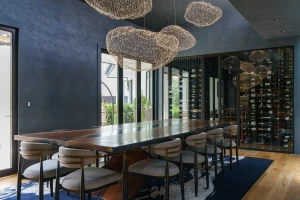
Her layouts make space for routine—drop zones, clear paths, seating that invites people to stay. The style is quiet, but the planning has teeth. That’s what makes a room feel easy instead of fussy.
If you’re specifying furniture, this is where your sourcing decisions start showing their cracks. Lead times, fabric performance, and scale all collide in layout. DesignerInc stays in those weeds through manufacturer featurettes, because the backstory always affects the end result. (Anyone who’s tried to swap a chair at the last minute knows how “simple” that is.)
A Practical Framework Designers Can Borrow
Even if your studio isn’t branded around sustainability, you can borrow Erica’s structure. It’s simple, and it keeps projects from drifting into that familiar spiral of “one more option” until nobody trusts the process.
Try this three-part filter before you spec anything major.
- Health first, meaning what off-gasses and what touches skin.
- Longevity second, meaning what holds up for ten years.
- Story third, meaning what the piece adds to the home’s identity.
This is also where credible education matters. Business of Home has covered the rise of healthier materials and changing client expectations at https://www.businessofhome.com/, and it lines up with what designers are hearing every day on consult calls.
For more sourcing context from inside the trade world, browse DesignerInc industry articles and pay attention to how often “better choices” really comes down to process, not perfection. That’s the part that protects your time and your client’s sanity.
Explore the DesignerInc Community
If Erica Reiner’s work resonates, trust that gut check. The industry is moving toward healthier, more grounded interiors, and the designers who can explain their choices—clearly, without fear—are going to come out ahead.
DesignerInc is where that conversation stays practical, with makers, manufacturers, and the real-world context designers need to spec with confidence (and sleep at night when the install date gets close).
Visit and Follow Erica Reiner
Website: https://www.ecomethodinteriors.com