Emily Spanos Designer Spotlight for Livable Color and Real Life
Most “family friendly” interiors still feel like a trade you didn’t want to make. You buy the good sofa, then baby it. You hang the pretty wallpaper, then act like nobody’s allowed to breathe near it. According to ByDesign from DesignerInc, the designers who last are the ones who stop designing from panic and start designing for the way people actually live.
Emily Spanos, founder of Emily June Designs in Houston, is solidly in that camp. Her rooms can handle saturated color, grounded neutrals, and pattern with real confidence—the kind that reads intentional, not “I found this on Pinterest at 1 a.m.” Stick with me and you’ll see how she pulls off homes that look collected and finished, then still behave on a random Tuesday morning.
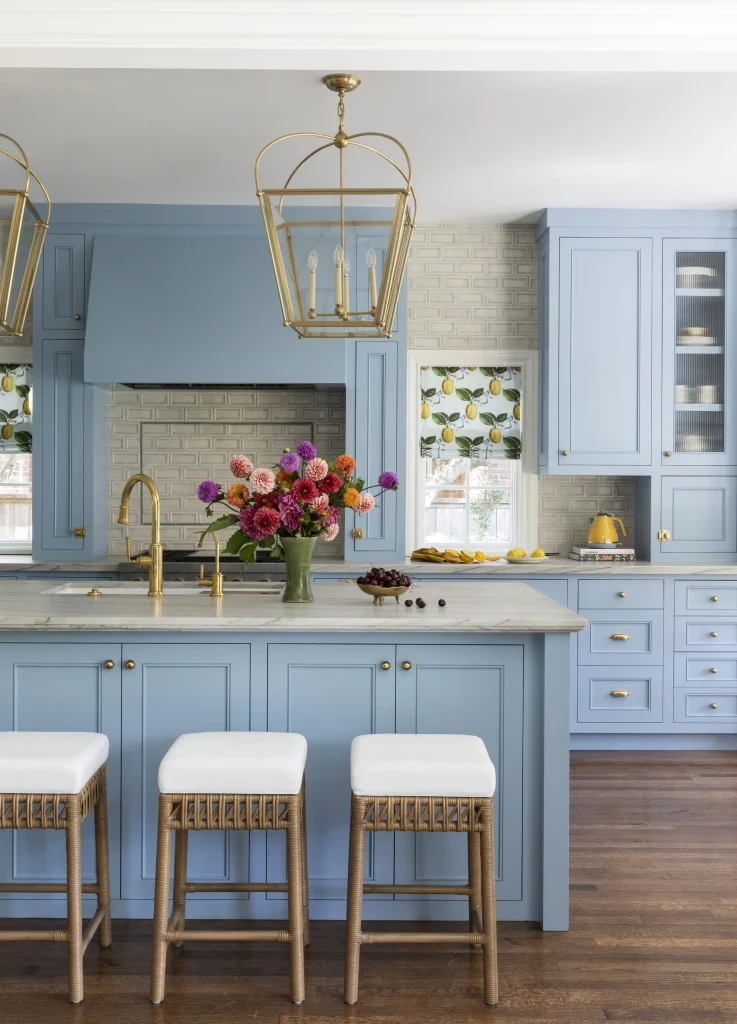
Why Emily Spanos Feels Polished Without Feeling Precious
Emily’s work threads a needle a lot of designers miss. It’s refined, but nobody feels like they’re about to get scolded for setting down a coffee mug. She understands that polish doesn’t come from fragility—it comes from proportion, editing, and materials that can take a hit without looking like they’ve been through a bar fight.
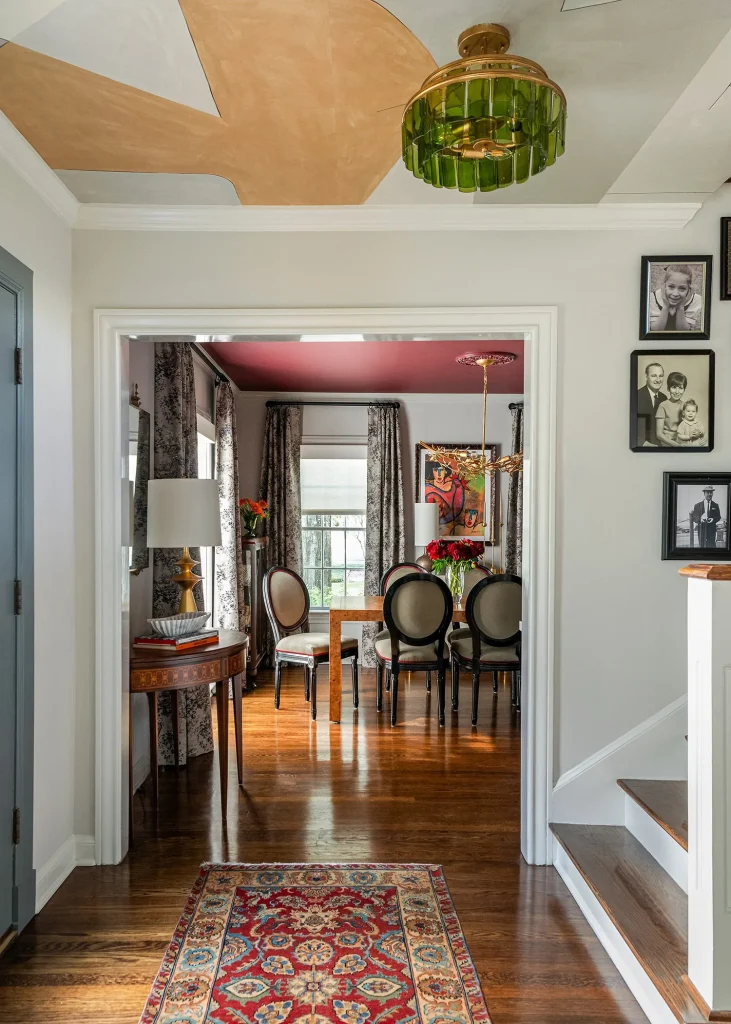
Her best move is restraint with intention. She’ll nudge a client toward a bolder fabric or a richer paint color, then she’ll steady the room with quiet upholstery and honest woods that don’t need to scream to feel expensive. If you want more examples of designers working in that livable, high taste zone, browse DesignerInc’s designer coverage for the broader context.
And let’s not pretend this is easy. I’ve walked enough showhouses to know plenty of rooms photograph like a dream and live like a museum exhibit. Emily’s spaces feel like they can do both—which is rarer than the internet makes it look.
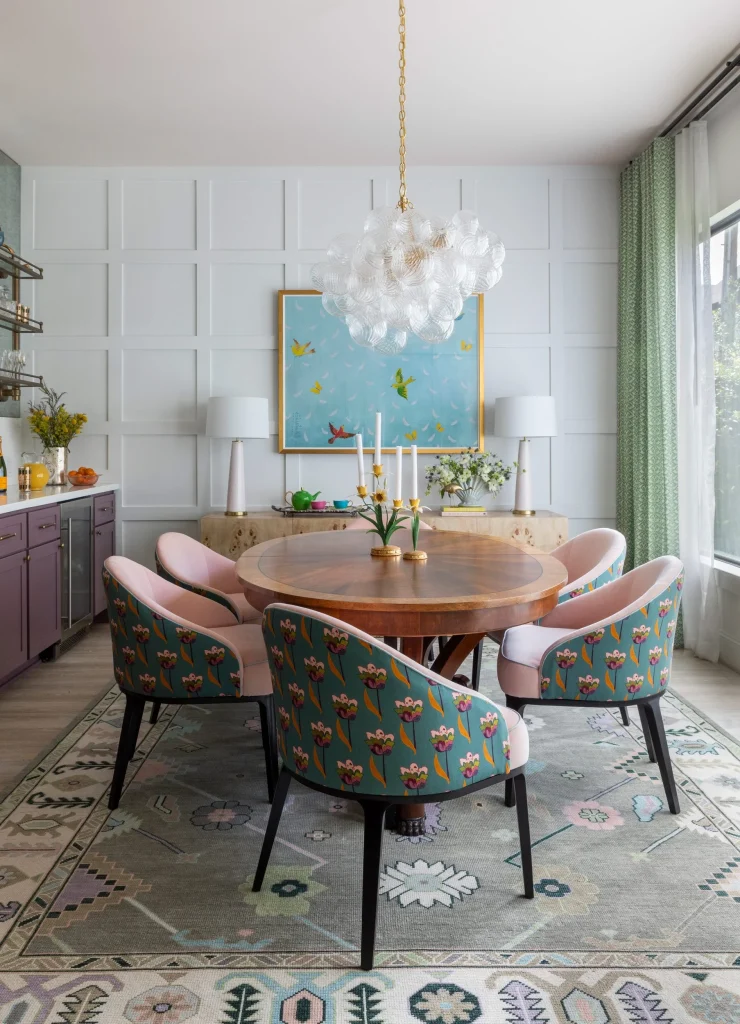
The Real Skill Is Her Layering Discipline
Designers love to say “layering” like it’s just adding more. In real rooms, layering is a measurement problem: scale, contrast, and negative space. Get one of those wrong and the whole thing turns noisy, fast.
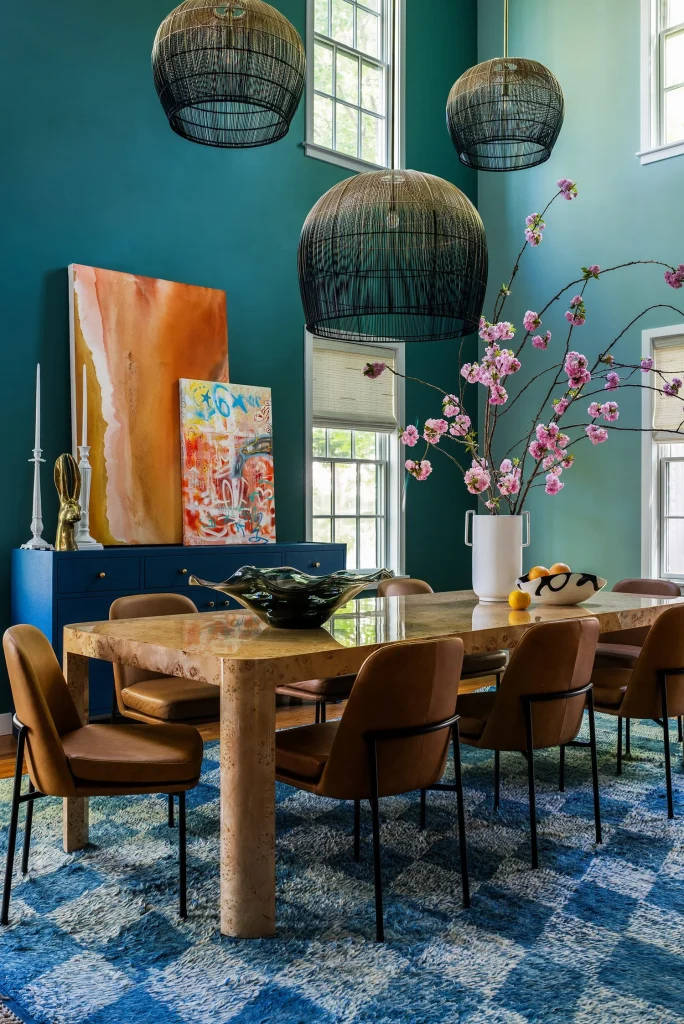
Emily tends to build contrast in a controlled way, then she stops before it tips into chaos. You’ll often see her run saturated color against a steady neutral, bring in one fearless pattern, and then let texture carry the rest—woven materials, a finish with depth, a fabric with a hand you want to touch (not the shiny stuff that looks good online and feels like a raincoat in person).
If you’re tracking where the industry is putting its focus right now, keep an eye on DesignerInc editorial highlights. The thread you’ll notice isn’t “more.” It’s restraint that’s doing actual work.
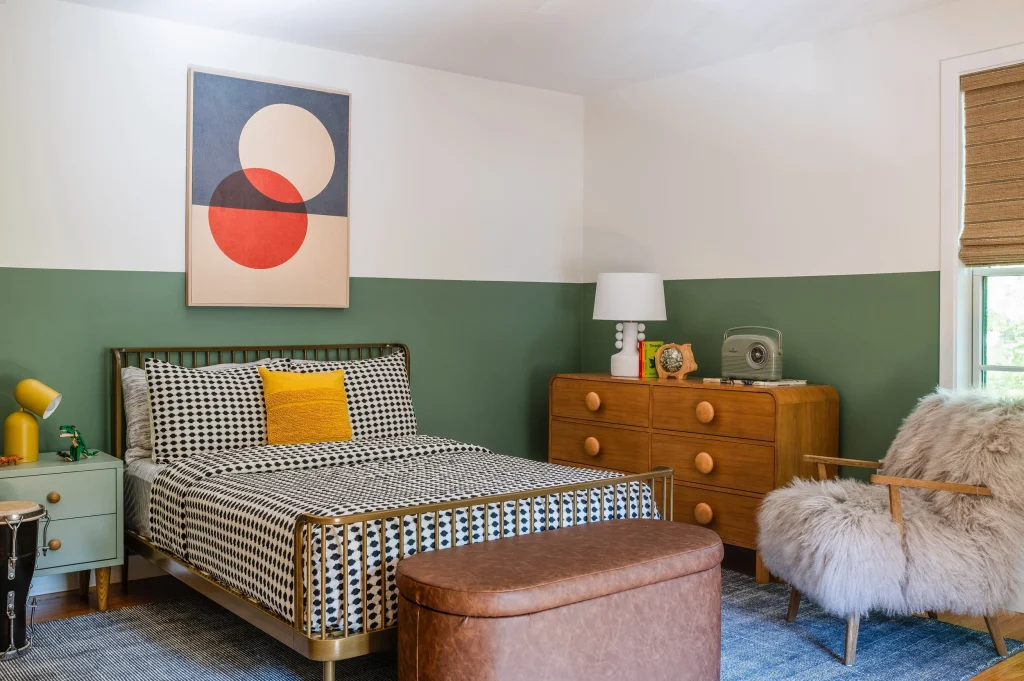
Function Is Not a Footnote in Her Homes
Kids, pets, routines—Emily brings that into the conversation up front. That matters because “we’ll figure it out later” is how you end up paying twice. Storage gets weird, circulation gets tight, and the pretty parts become the first things that break (or the first things your client starts resenting).
Here’s what most people miss: livable design isn’t anti-beauty. It’s pro-decisions. You put performance where it counts—on the pieces that get touched a hundred times a day—then you spend visual drama where it can survive real life.
For a wider lens on how designers and makers are responding to real-life constraints, skim these industry articles and watch how often durability comes up. Not as an apology. As the baseline.
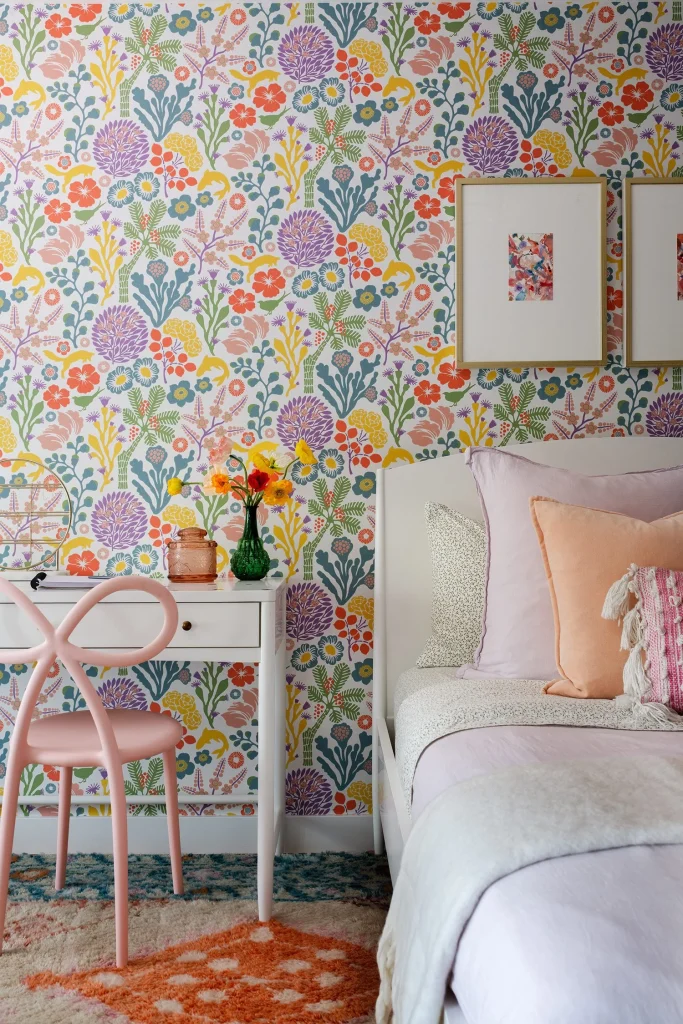
Her Storytelling Starts Before She Specifies Anything
Emily’s biggest differentiator isn’t a look—it’s how she listens and translates. She’s pulling out a client’s history, travel memories, and everyday quirks and turning them into actual design moves. Not vague “inspired by” language, but choices you can point to: motif, palette, composition, the way the room is going to feel at 7 a.m. and again at 9 p.m.
That kind of clarity also protects a project from trend drift. When the story is strong, the room doesn’t need the internet to approve it. It just needs to fit the people living there.
If you want to see how the DesignerInc community talks about relationships and trust, spend time in Relationships ByDesign. The best projects start with a clean read on the client, not a shopping list disguised as a concept.
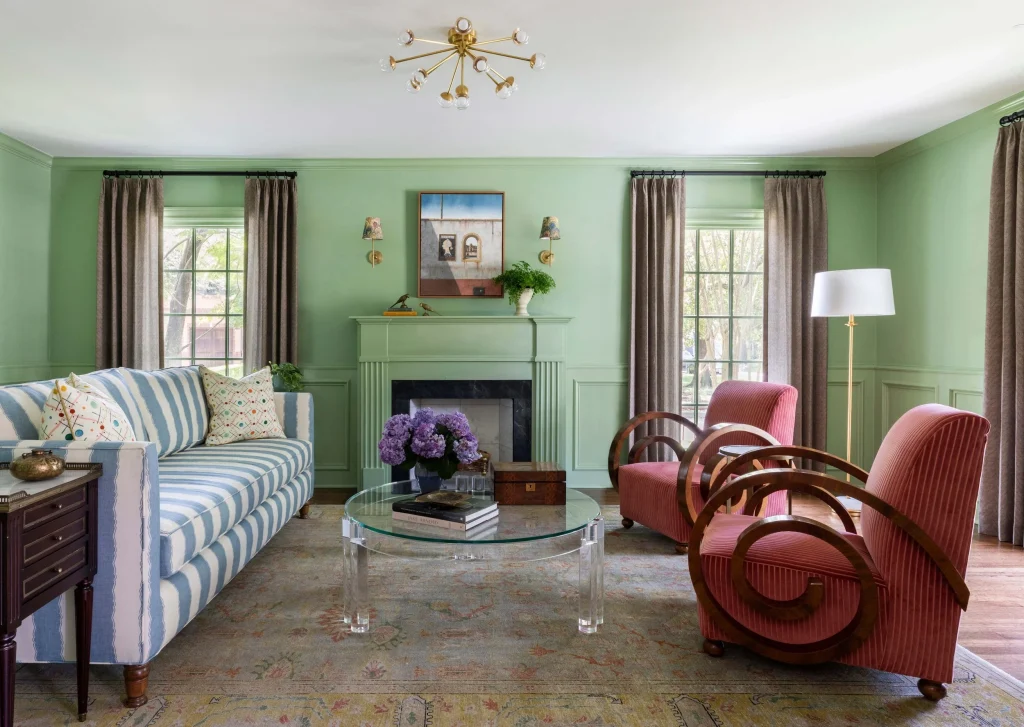
Color Confidence Is Easier When Neutrals Do Their Job
Designers who “do color” well usually do neutrals even better. Neutrals are the structure. They handle continuity from room to room, they support scale, and they create that exhale feeling when you walk in.
Emily’s saturated moments hit because the base is steady. Her neutrals aren’t dead, either. Think warm whites that don’t go clinical, grounded beiges that don’t go muddy, and wood tones that hold their integrity in daylight instead of flipping orange the second the sun comes through a window.
Need proof that color is swinging back in a real way across the market. Architectural Digest has tracked the shift toward richer, more personal rooms in recent coverage, including trend reporting like its 2025 interior trends. The point isn’t the exact forecast. The point is the appetite for personality—the kind that isn’t rented from a trend cycle.
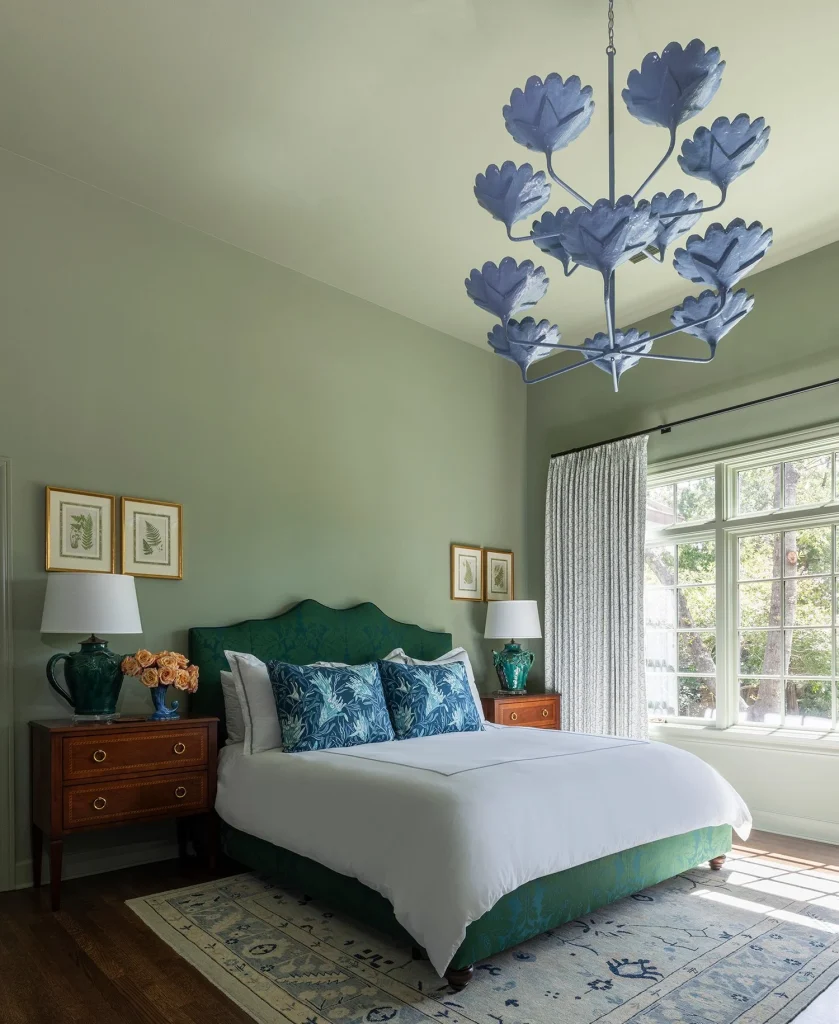
A Practical Way to Build Pattern Without Chaos
Pattern is where a lot of projects start to wobble. Too many competing scales, too many “but I love this too,” and suddenly your client feels visual fatigue in their own living room. Emily’s pattern reads brave because it’s structured, not because it’s loud.
If I had to steal one thing from her approach, it’s the sequencing. It’s simple, and it works.
- Anchor with one hero pattern that sets the tone.
- Add one supporting pattern in a different scale.
- Finish with solids and texture so the eye can rest.
For designers who want to source pattern and texture with fewer surprises, keep an eye on manufacturer featurettes. The makers worth your time will talk plainly about repeat, construction, and performance—so you’re not finding out too late that the “dream” print is a nightmare to railroad, match, or clean. (Been in too many client meetings where this came up after the deposit.)
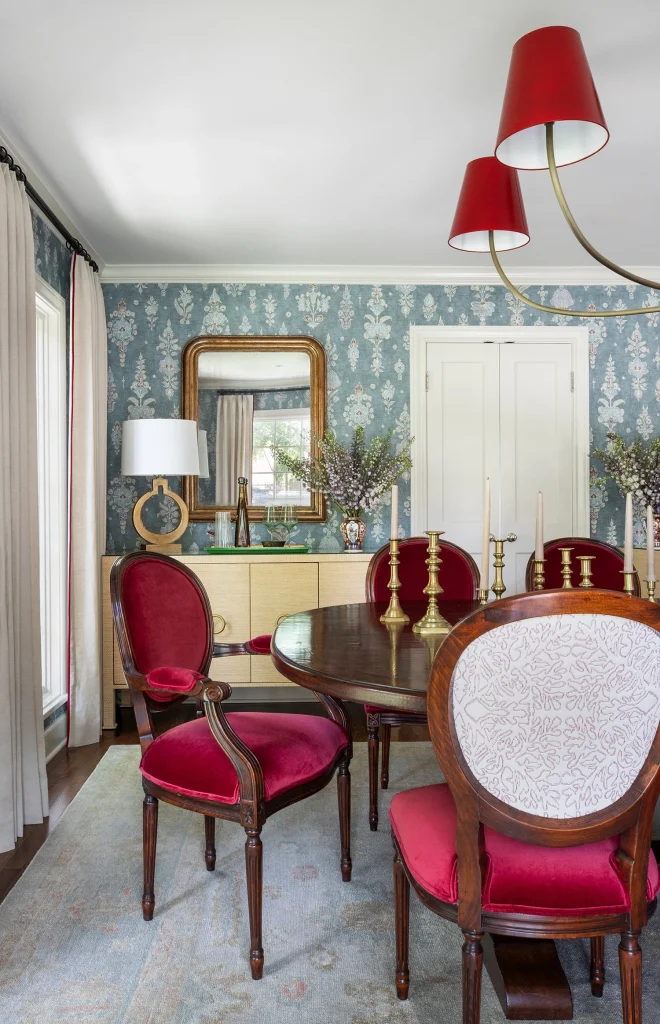
What Her Work Suggests About Sourcing Right Now
Emily’s style isn’t built on one “signature” piece that does all the heavy lifting. It’s built on a whole-home approach that can take daily use. That means sourcing across categories, managing lead times, and not pretending the calendar will be kind if you simply manifest it.
The number of designers who still under-communicate timelines honestly floors me. A sofa is not always eight weeks. Sometimes it’s 14. Sometimes it’s longer, depending on fabric availability and what’s happening with frames. And yes, it changes midstream, which is why you want partners who will tell you the truth before your client does the math.
This is where platforms like DesignerInc earn their reputation quietly. When you’re connecting with vetted makers and manufacturers, the information tends to be clearer—and “clearer” saves projects. Start by browsing the manufacturers category for the kind of partners designers lean on when projects need to land on time.
Comfort Is a Design Choice, Not a Style Category
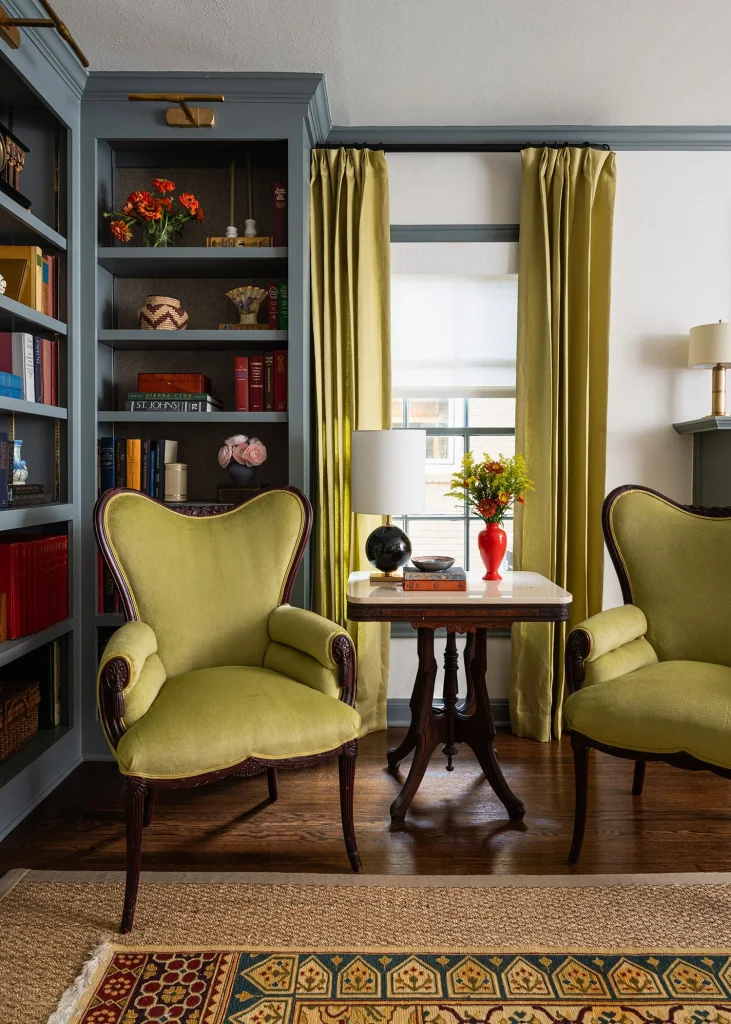
Emily’s rooms invite you in, and that’s not an accident. Comfort is built: seat depth, cushion construction, fabric hand, lighting layers, and layouts that respect how people move through a space. It’s the unglamorous part of design that separates a pretty room from a good room.
Designers sometimes over-focus on the photo angle. Then the client lives in the space and realizes the chair is too upright, the rug is too small, or every light is overhead like a waiting room. Good comfort is invisible until it’s missing—and once it’s missing, it’s all anyone can talk about.
Business of Home has covered how clients are prioritizing livability and long-term value in today’s market, and it matches what I see week after week. Their reporting offers useful context, like this ongoing industry coverage at Business of Home. The message from clients is clear: homes need to work harder, not just look finished for a camera.
Explore the DesignerInc Community
If Emily Spanos’s work resonates, take it as a signal. There’s a whole tier of designers and makers aiming for the same thing: beauty that holds up, and sourcing that doesn’t waste your time or your client’s patience.
Spend an hour inside DesignerInc and you’ll understand why experienced designers keep it close. It’s a practical way to stay connected to quality—and to the people who actually stand behind what they make.
Visit and Follow Emily Spanos
Website: emilyjunedesigns.com
Instagram: https://www.instagram.com/emilyjunedesigns/
Facebook: https://www.facebook.com/emilyjunedesigns