Cindy Eyl Designer Spotlight and the Beauty of Lived In Balance
Most designers can spot a pretty room in two seconds. The harder part is building a room that still feels right on a random Tuesday night—when the dog’s pacing, the kids are doing homework at the dining table, and somebody left a hoodie on the chair you swore would stay clean.
That’s the lane Cindy Eyl owns. In her work for Jefferson Street Designs, comfort and composition sit side by side, and neither one blinks.
I’ve been watching this shift across the DesignerInc community, especially in the way ByDesign from DesignerInc talks about what clients want now: rooms that look pulled together, but don’t punish real life. You’ll get Cindy’s point of view here, and a few cues you can steal without copying her homework.
What Cindy Eyl Gets Right About Real Homes
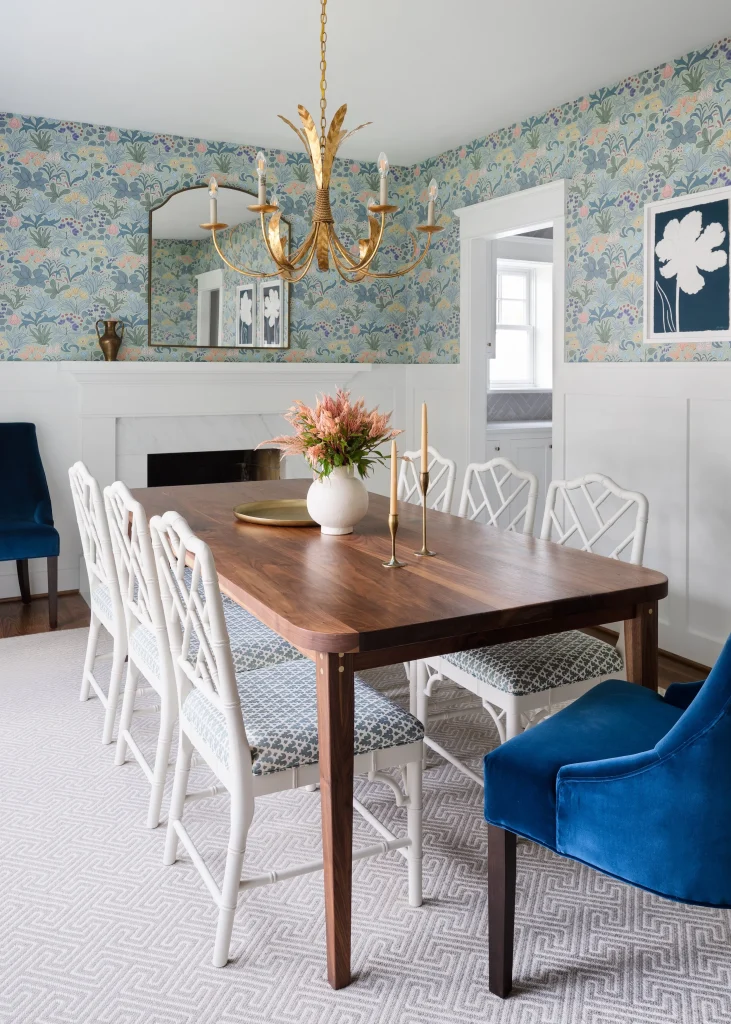
Cindy’s rooms feel collected, not staged. That tells me she’s thinking about the “after” photo—the one you never post—where someone’s actually living in it.
She mixes old and new without forcing a storyline. No barnwood-and-brass cosplay. Just pieces that belong together because the proportions behave and the finishes don’t fight.
You see that same judgment in her space planning, where circulation gets the same respect as the sofa. (I’ve walked too many “beautiful” rooms where you have to sidestep a coffee table like you’re boarding a boat.)
You can feel this sensibility showing up more broadly, too, in the Designer features on ByDesign. The pendulum’s swinging back to longevity—less trend-chasing, more lived-in restraint.
Let me put it this way: Cindy doesn’t decorate problems away. She solves them, then makes them look inevitable.
Warmth Without Clutter Takes Discipline
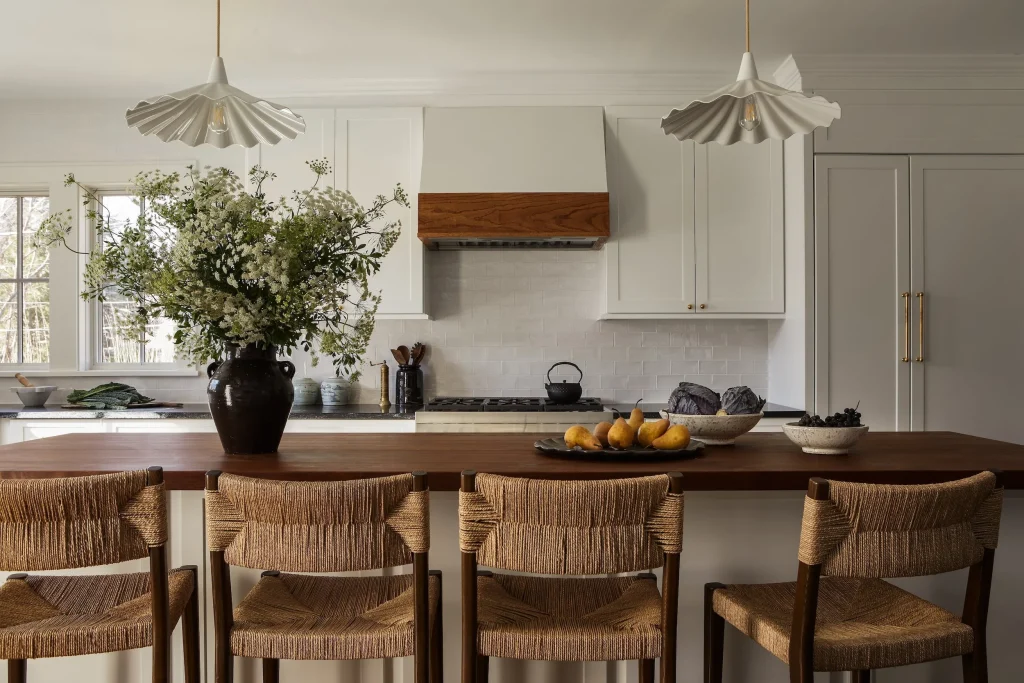
People think warmth comes from adding things. Most of the time, warmth comes from editing with a human hand, not a minimalist one.
Cindy builds the base with texture and light first, then lets the meaningful objects come in. That order matters. If you start with sentimental stuff, the room can turn into a visual group chat—everyone talking at once.
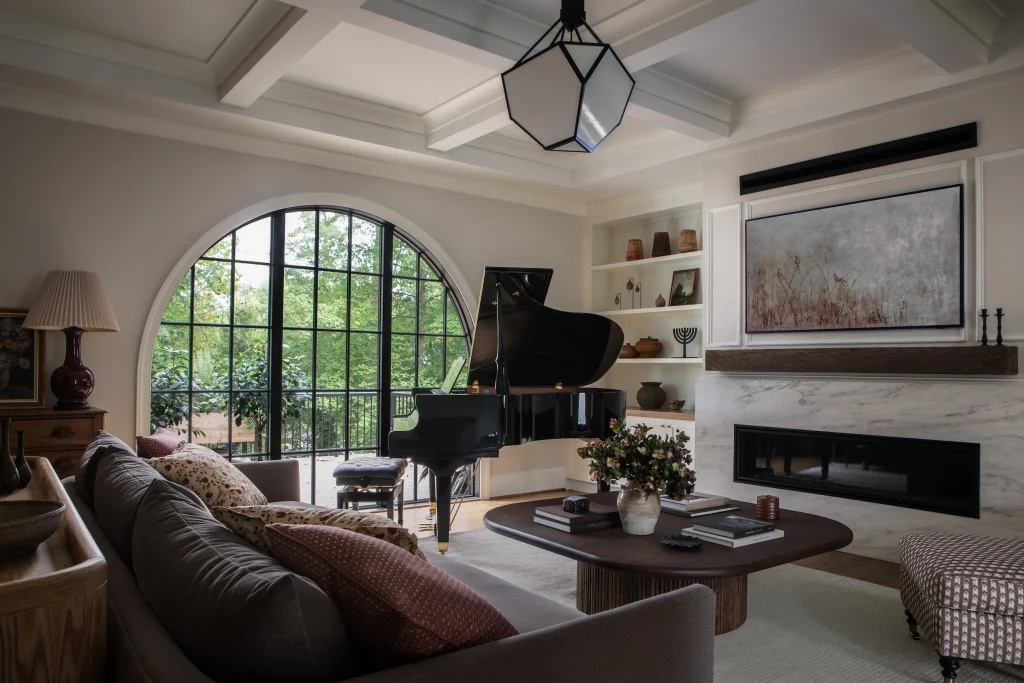
If you’ve ever watched a client try to cram a lifetime into one bookshelf, you know the moment where it tips from “personal” to “busy.” The fix isn’t shame. It’s giving each object a job—scale, color, memory, function. That’s a thread I see pop up in ByDesign editorial highlights whenever they feature rooms that actually live well.
Here’s what most people miss: “Collected” isn’t a vibe. It’s a strategy, and it takes a backbone to keep it from turning messy.
The Quiet Power of Nuanced Color
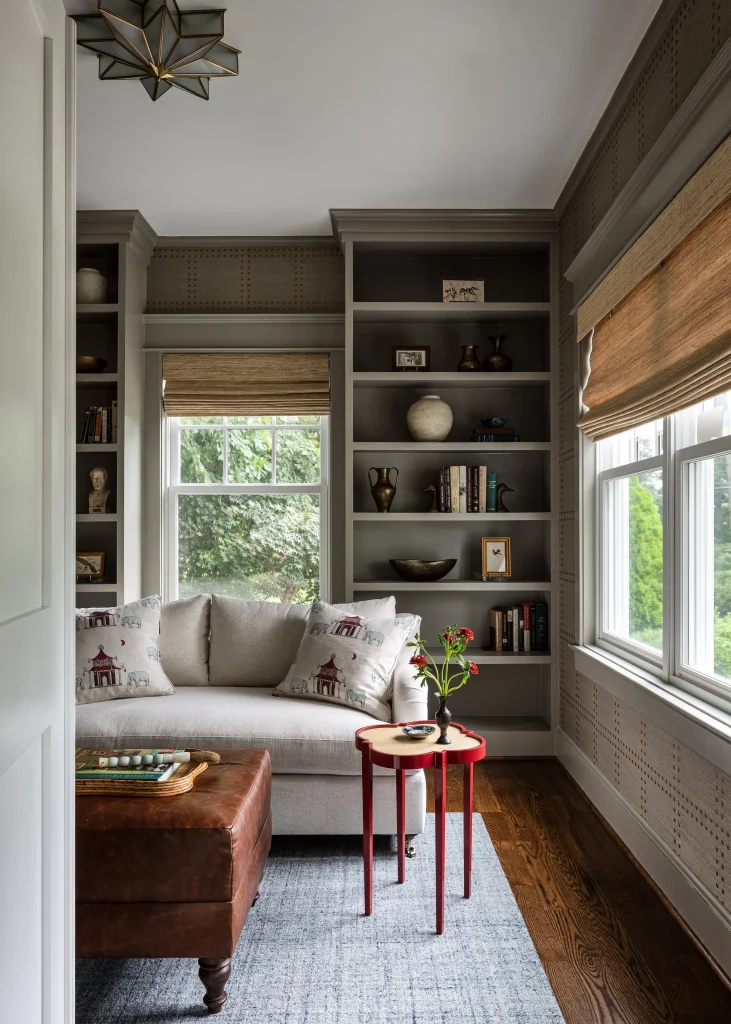
Cindy’s palettes read calm, but they’re not boring. The undertones are doing the work—even if you don’t notice it until you’re standing in the room and it just feels good.
This is where a lot of designers get tripped up. They pick a safe neutral, then act surprised when everything goes dead at 4 p.m. in winter light.
Cindy’s choices suggest she’s looking at color under real conditions: morning glare, lamp light, that weird hallway spill that turns “warm white” into dishwater. (If you’ve ever held up five paint chips in a client’s foyer and watched them all turn green, you know what I mean.)
If you want a smart refresher on how designers are handling these realities right now, the industry articles on ByDesign are a solid pulse check.
And yes, the research supports what designers already know in their bones: daylight affects comfort and mood. The basics are well covered in the U.S. Department of Energy guidance on daylighting. Practical, not precious.
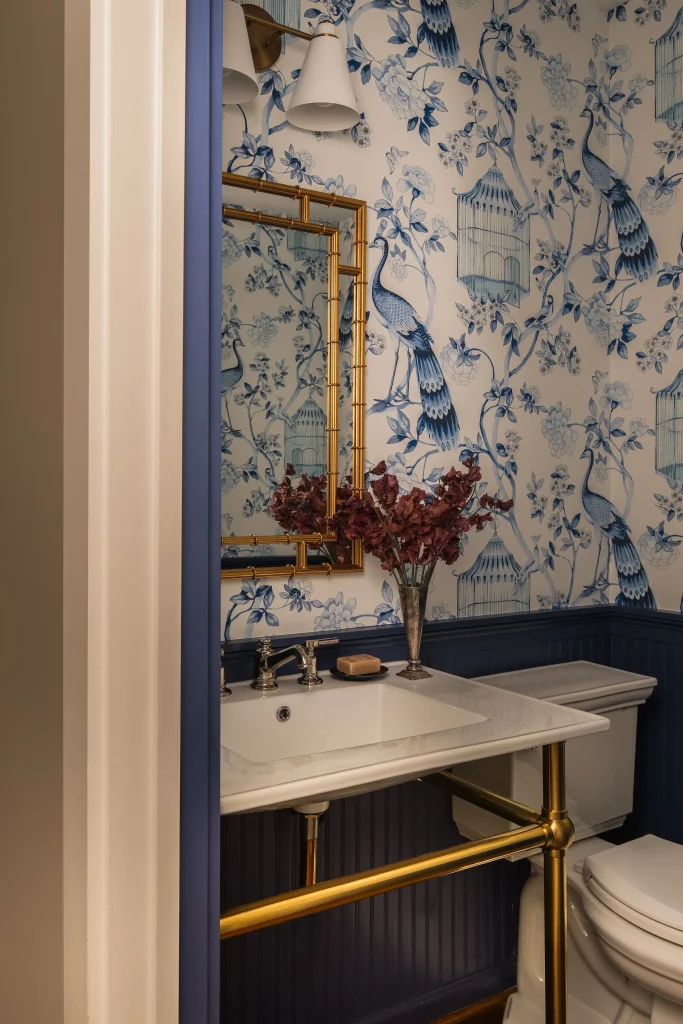
Space Planning That Respects How People Actually Live
Great space planning is invisible. You only notice it when you don’t have it.
Cindy’s work reads practical, which usually means she’s asking the right questions early. Where do shoes land? Where does the dog sleep? Where do bags pile up? (And where is the place you can hide the pile when company’s coming in ten minutes?)
If I had to pick one thing that separates seasoned designers from stylists, it’s this: they plan for habits, not fantasies. That’s why trade conversations and shop talk at industry events covered on ByDesign matter. You hear what fails in the field—finishes that don’t hold, layouts that look good on paper, lead times that magically “shift.”
Then she brings in the beauty. And it feels earned, not applied like a filter.
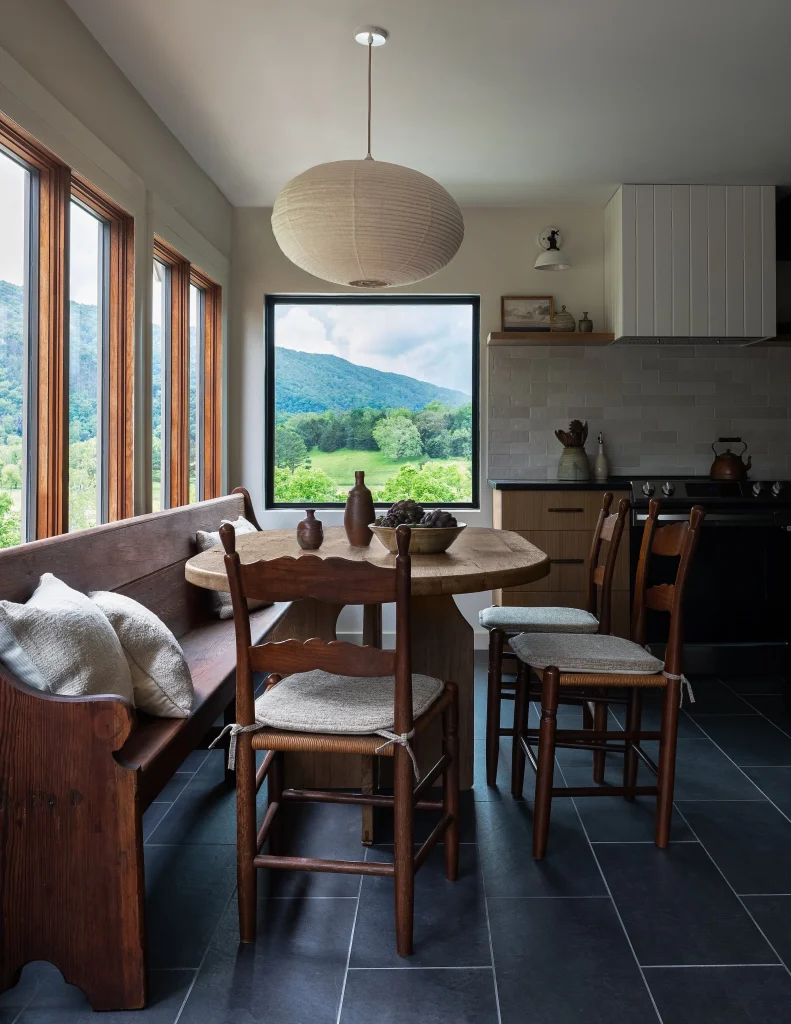
A Storyteller’s Eye Changes Everything
Cindy designs like someone who pays attention to people. You can sense it in the way she places meaningful pieces and lets them breathe instead of crowding them into a “moment.”
That’s storytelling, sure—but it’s also client management. When you can explain why an object belongs, clients stop second-guessing the room because the room has a point of view.
Designers who work this way tend to source with more intention, too. They care where pieces come from and how they’re made, which lines up with the maker-focused lens you see in ByDesign manufacturer coverage.
Let’s be real: clients don’t want a lecture. They want a story they can live inside—and one they can explain to their mother-in-law without panicking.
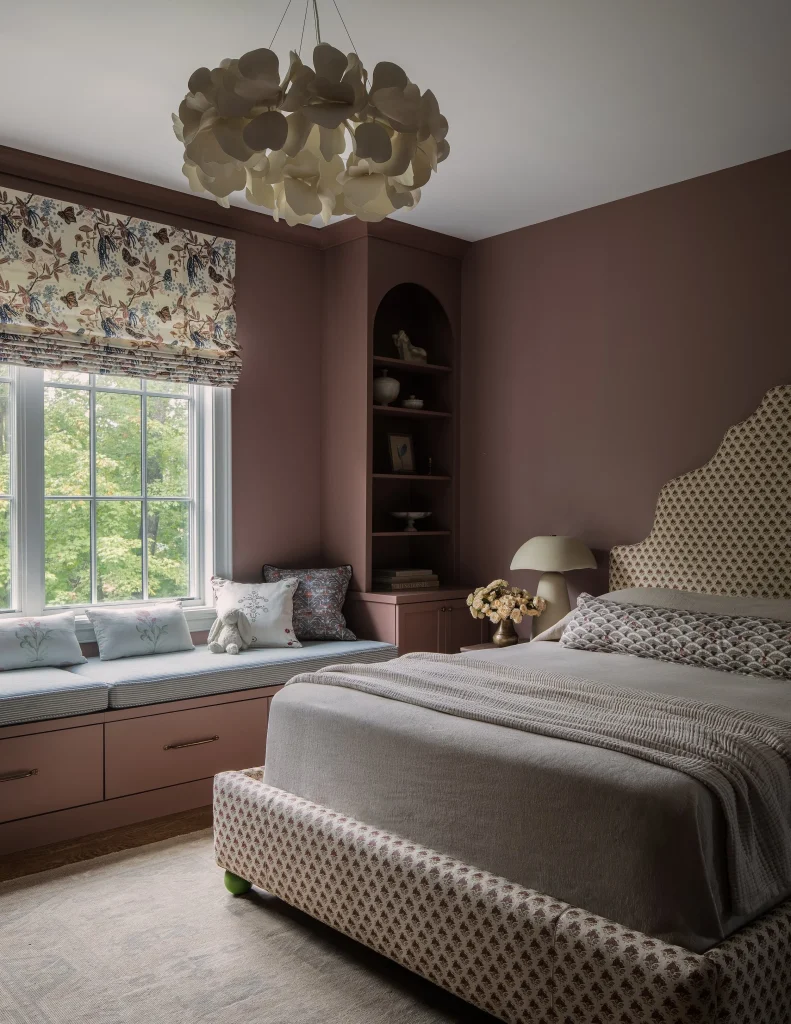
How She Builds Trust With Clients
Cindy partners closely with clients, and you can feel it in the restraint. Overdesigned rooms often come from designers trying to prove value with volume.
Trust flips that dynamic. When the client feels heard, the room can quiet down and still feel elevated.
If you’re trying to build that kind of confidence in your own process, here are three moves that usually work.
- Ask for a day in the life, not just inspiration photos.
- Translate goals into functions, then into materials and silhouettes.
- Set expectations on lead times early, with real numbers.
The last one is where projects either stay smooth or go sideways. I’ve watched it happen a hundred times: a client hears “quick ship” and mentally turns it into “two weeks,” then they’re furious when real life shows up. It’s also why trade relationship storytelling—like the pieces in Relationships ByDesign—matters more than people think. Knowing who tells the truth is half the job.
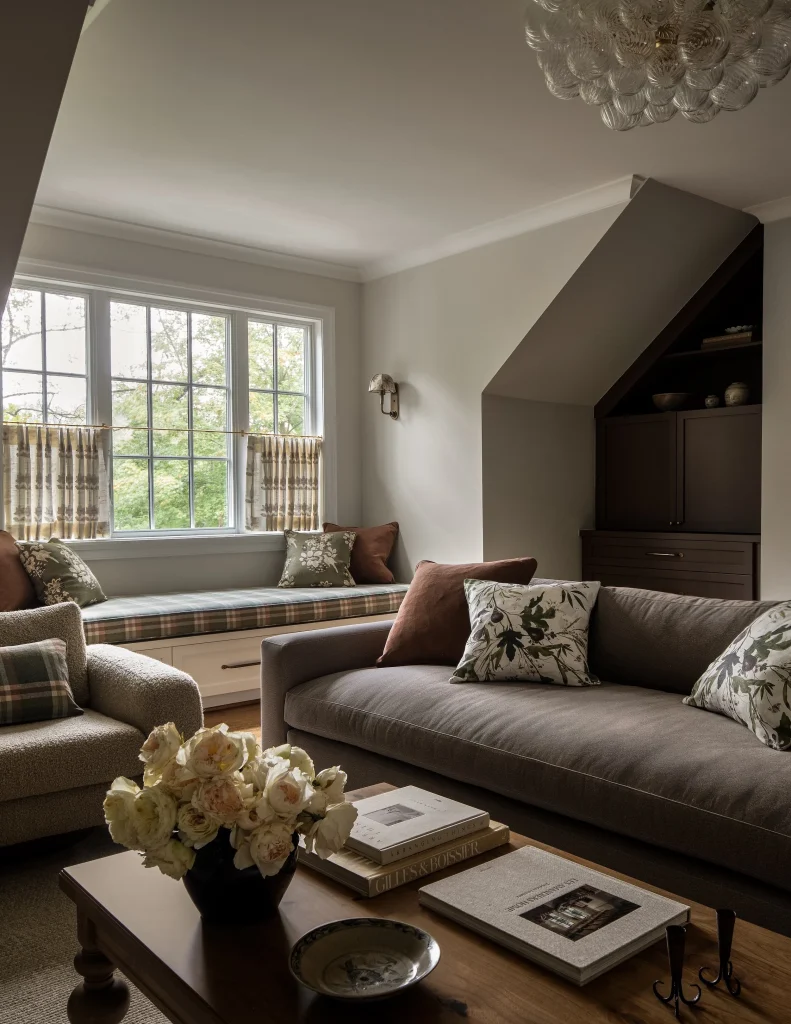
Sourcing for Collected Rooms Without Losing Control
“Collected” looks relaxed, but the sourcing behind it can’t be sloppy. You’re juggling scale, finish, lead time, and budget, all while protecting the mood.
Cindy’s aesthetic suggests she’s comfortable blending categories: upholstery that anchors, casegoods with history, lighting that does quiet heavy lifting—then art and objects that carry the personal layer. It’s not random. It’s paced.
One practical way to keep control is to define three non negotiables before you source.
- One consistent finish family that repeats across the home
- One silhouette cue, like soft curves or clean lines
- One texture story, like nubby linen against aged wood
That framework is what lets you mix makers without the room splintering. It also matches what I see designers hunting for in manufacturer featurettes on ByDesign, where people actually talk craft and specs instead of just posting a pretty shot and calling it a day.
And yes, clients still bring you trend requests. When they do, I like using big shelter titles as a temperature check—what’s in the air, what’s already feeling tired. Architectural Digest is useful for that, not as a rulebook, but as a read on what the market’s romanticizing this month.
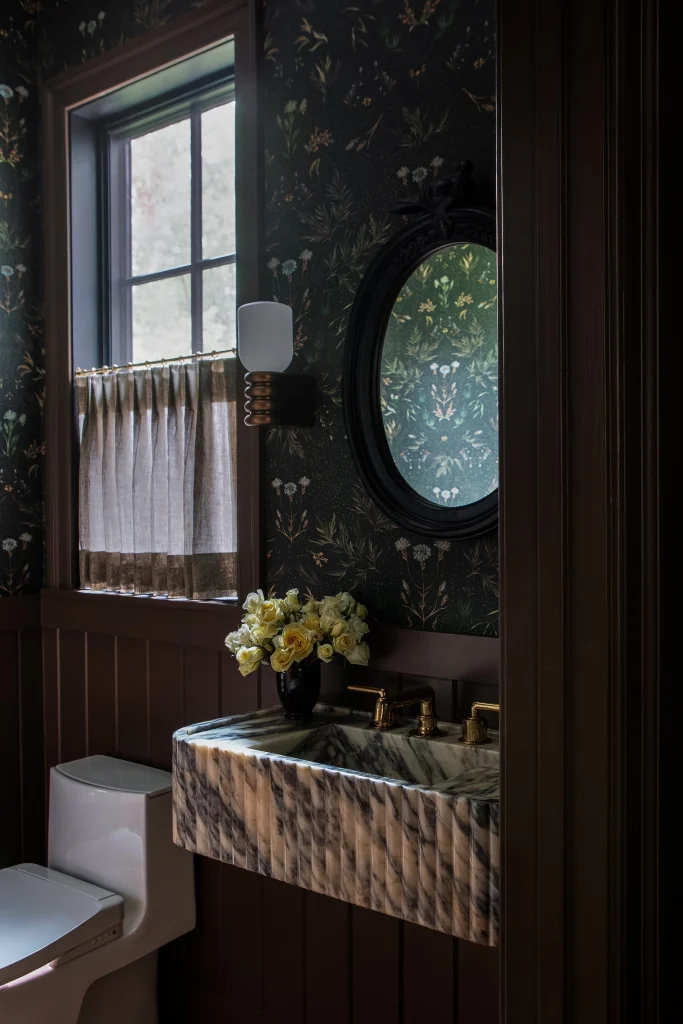
Why Cindy’s Work Feels Calm in 2026
We’re in a moment where clients are tired. They want their homes to help them recover, not perform.
Cindy’s rooms deliver that exhale. They’re refined, but not precious. Relaxed, but not messy. That’s a narrow path, and she walks it without wobbling.
The thing nobody tells you is calm isn’t a style. Calm is the result of a hundred small decisions made with consistency—scale stays sane, storage is planned, finishes don’t scream, and nothing is in the room just to be in the room.
That’s why her projects read personal and composed at the same time. You’re not just seeing taste. You’re seeing judgment—the kind you only get from doing the work and paying attention.
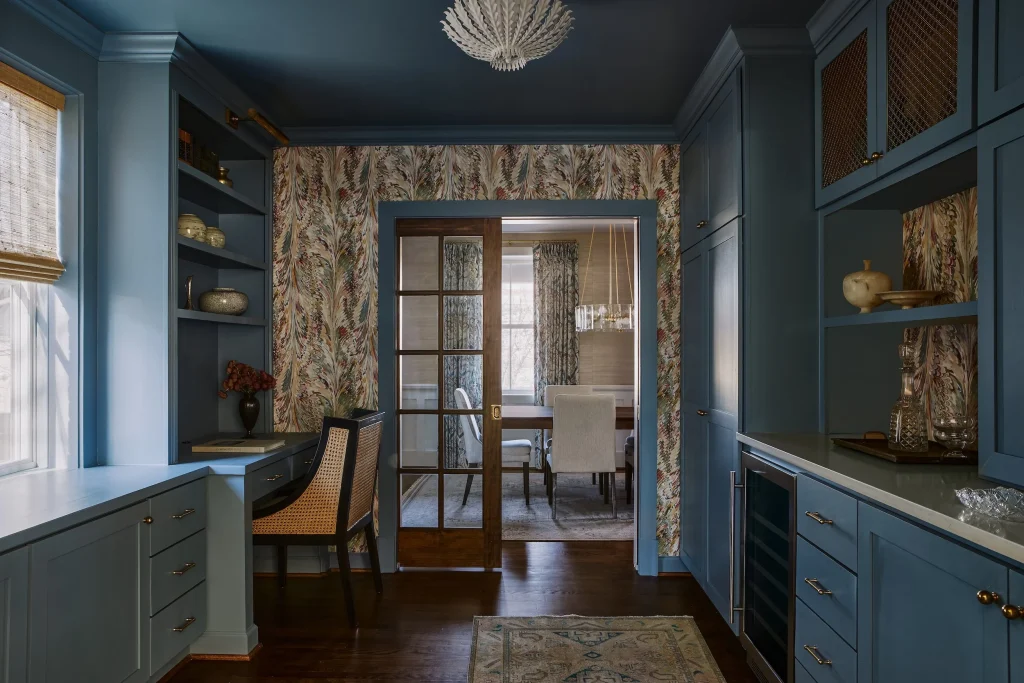
Explore the DesignerInc Community
If you’re building projects like Cindy does, you already know sourcing is half the job. The other half is relationships, information, and access you can trust.
That’s why I keep coming back to DesignerInc. It’s where designers connect with the makers and manufacturing partners that support work that lasts.
Visit and Follow Cindy Eyl
Website: https://jeffersonstreetdesigns.com