Jenn Marianni | Designer Spotlight and the Quiet Power of Lived In Modern
Some interiors need to announce themselves the second you walk in. The ones that stick with you don’t. They hold the room together with restraint, smart contrast, and just enough tension to feel like a real home—not a set. That’s the kind of work that keeps showing up on ByDesign from DesignerInc, where the conversation tends to favor substance over spectacle (and thank God for that).
Stick with me for a few minutes and you’ll see why Jenn Marianni’s spaces read calm without going dead, how she keeps a house functional without sanding off the soul, and what her approach can teach you about sourcing and specs that won’t come back to haunt you.
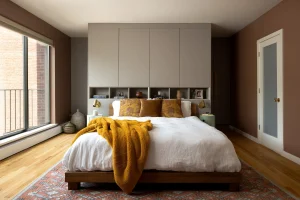
What Jenn Marianni Gets Right About Quiet Confidence
Jenn Marianni, founder and principal of J-THOM, designs like someone who’s been in the middle of actual home life. Kids, dogs, homework piles, wet boots, and that one corner that turns into a dumping ground no matter how many baskets you buy. She doesn’t romanticize it. She plans for it.
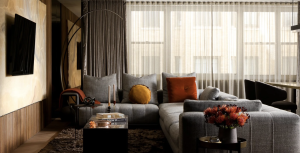
Her signature is contrast that doesn’t scream for attention. Modern lines next to traditional profiles. Soft, touchable texture against something with a clean edge. It’s edited, sure—but it still feels lived in, like someone can exhale in it.
If you want a broader read on how working designers are balancing beauty and daily use right now, spend time in the Designer features on ByDesign. The pattern is obvious once you start noticing it: the projects that last respect how people actually move through a space, not how they pose in it.
Why the Pacific Northwest Changes the Design Conversation
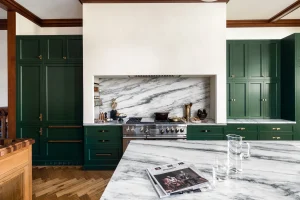
The Pacific Northwest has a way of calling your bluff. Natural light up there is honest. Gray skies are even more honest. If your color is muddy, you’ll see it. If your “stone look” reads plastic in daylight, you’ll feel it in your gut.
Jenn leans into that reality with a muted, soulful palette and a real respect for materials that don’t need a sales pitch. Wood grain gets to be wood grain. Stone gets to be stone. And when the architecture already has presence, those grounded choices let it breathe instead of fighting for the spotlight.
This is also why all that industry talk about materials and finishes isn’t just chatter—it’s survival. What you specify has to look right when the light shifts throughout the day, not just under a showroom spotlight. If you like this kind of context, the industry coverage on ByDesign stays tied to what’s happening in real projects, with real clients, and real constraints.
Inside Her Edit, Modern Meets Traditional Without the Costume
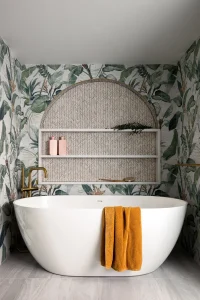
Plenty of designers say they mix styles. Fewer can do it without the room feeling like it got dressed in the dark. Jenn avoids that because the mix isn’t a pile-on of “moments.” It’s structural. It’s about bones, proportion, and what belongs together.
She generally lets the architecture lead, then brings in furnishings that support it instead of competing for attention. It’s the difference between composed and “styled.” (If you’ve ever had a client ask why their space feels busy even though they “didn’t add that much,” you know exactly what I mean.)
Here’s what most people miss: proportion does the heavy lifting. A traditional silhouette can feel current when the scale is right and the detailing stays disciplined. You’ll see that same point echoed in maker stories and finish conversations inside the manufacturer features on ByDesign, where construction and silhouette get treated like the big deal they are—because they are.
Flow, Function, and the Truth About Family Life
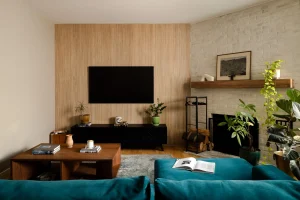
Let’s be real. A family home fails when it can’t take a hit. You can specify the prettiest fabric on earth and then watch it pill, snag, or shine up in six months. Or you can design like Tuesday is coming—because it is.
Jenn’s work is grounded in flow and function, not just a good photo. Thoughtful circulation paths. Surfaces that don’t freak out over fingerprints. Layouts that support routines without looking like you designed a daycare. Morning chaos isn’t a client flaw. It’s a design condition.
If you’re trying to keep inspiration tethered to reality, it helps to track what the trade is talking about in these industry articles. The best projects anticipate wear and still look good doing it.
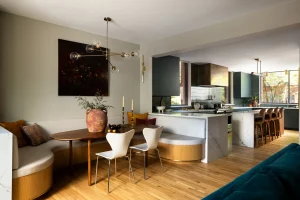
The Listening Skill That Separates A Look From A Life
What makes Jenn stand out is her listening. She’s not imposing a look. She’s translating a life. Sounds simple until you’re in that first consultation trying to separate a client’s Pinterest board from their actual habits—and trying to do it without sounding like a jerk.
Listening shows up in the specs. It’s the difference between a dining chair that photographs like a dream and one your client still loves after two-hour dinners, a teenager, and a dog that thinks it owns the place.
Design process stories across ByDesign editorial highlights tend to reward that mindset. The designers who build trust early get more freedom later. Clients feel taken care of, and then—finally—they get brave.
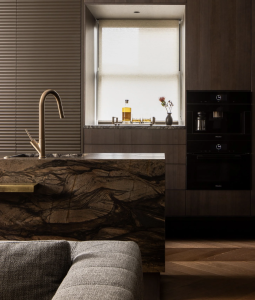
Specification Notes From A Designer Who Designs For Use
I’ve watched this play out more times than I can count. The concept is strong, the plan is smart, and then one wrong material choice turns into a maintenance nightmare that eats your peace for the next year. Jenn’s approach suggests a better order of operations: solve for life first, then make it beautiful in a way that can survive that life.
If you’re specifying for active households, a short checklist helps.
- Pick performance where hands touch most. Dining chairs, banquettes, ottomans.
- Balance matte and sheen. Too flat shows oils, too shiny shows scratches.
- Choose wood tones that forgive. Heavy contrast can spotlight every ding.
- Confirm lead times early. Tell the client the real number, not the hopeful one.
For material performance and maintenance reality, Architectural Digest’s overview of performance fabrics is a useful baseline. It won’t replace a fabric memo, but it lays out the tradeoffs in plain terms.
For more trade grounded sourcing perspective, the RBD features on ByDesign are worth your time. They get into the stuff that actually affects outcomes: relationships, constraints, and the behind-the-scenes decisions that never make it into a pretty reveal.
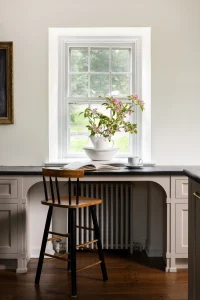
Sourcing Without Losing The Plot
Designers are being asked to do more with tighter timelines and more client scrutiny. And clients still want rooms that feel personal, not assembled. That tension is exactly where a platform like DesignerInc earns its keep.
Jenn’s calm, collaborative energy is a reminder that sourcing is part of service. You’re not just hunting for “a sofa.” You’re building a chain of decisions that has to be ordered, delivered, installed, and lived with—without turning into a three-month email thread. That means good manufacturer partners, clear trade communication, and expectations you can actually stand behind.
If you want to see how those relationships get built, read Relationships ByDesign. The thing nobody tells you is that strong vendor relationships don’t just improve pricing. They improve problem-solving when something goes sideways, which is the part that separates a smooth project from a client who suddenly “needs to talk.”
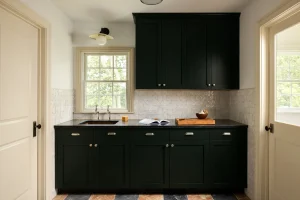
Why Soft Power Wins In 2026 Interiors
Clients have shifted. Quietly, but clearly. More of them want homes that feel calm, not curated. They’re tired. They want ease. They still want beauty, but they don’t want to live inside a museum—or feel like they’re ruining something every time they set a glass down.
That’s why Jenn’s work lands. It’s refined but approachable. It respects architecture and still leaves room for personality and mess and life. And it gives designers a useful reminder: restraint is a skill, not a lack of ideas.
If you want an outside lens on the push toward warmth and lived in comfort, Business of Home does a solid job tracking how consumer taste and the trade feed each other. Start with their design coverage at Business of Home and follow the threads that match your niche.
Explore the DesignerInc Community
If you’re building projects with this same mix of beauty and real-life durability, you’ll fit right in with DesignerInc. It’s a smart place to keep your finger on makers, materials, and the people doing the work quietly well. Bookmark it for the days you need a sourcing answer that isn’t vague—or a reminder that you’re not the only one juggling lead times, clients, and reality.
Visit and Follow Jenn Marianni
Website: https://j-thom.com
Instagram: https://www.instagram.com/jthomdesign/
Facebook: https://www.facebook.com/j.thomdesign