Andrea Herrmann Designer Spotlight on Quiet Luxury That Lasts
Some rooms look perfect and still feel wrong. You can’t put your finger on it at first. Then you realize your shoulders never drop.
That’s why I pay attention to designers who build comfort into the bones, not just into the styling tray. The ByDesign. at DesignerInc editorial hub talks a lot about what lasts in real homes—what holds up when life is loud, kids are sticky, and a dog decides the “performance” fabric is a personal challenge. Andrea Herrmann belongs in that conversation.
Her work at Idyllic Interiors is soft, calm, and genuinely livable. You’ll see neutrals and texture, yes, but the real story is the planning behind them. And you’ll see a process that doesn’t chase noise—it builds rooms people can actually live in for years without getting tired of them.
What Andrea Herrmann Gets Right About Livable Luxury
“Quiet luxury” gets thrown around too easily right now. Half the time it means beige plus a big price tag and a client who’s scared of fingerprints. Andrea Herrmann’s version reads quieter because it starts with behavior, not branding.
Her rooms respect how families move. Sightlines stay open. Seating is arranged like people will use it, not like it’s posing for a catalog.
The finishes feel considered, but not precious—the difference matters. I’ve sat in too many client meetings where “luxury” turned into “no one is allowed to touch anything.” That’s not a home. That’s a museum with better throw pillows.
And yes, this mindset is showing up across the industry. You can feel it in the tone of DesignerInc industry coverage: designers are pushing back on performative interiors, and clients are finally admitting they want homes that photograph well and work even better.
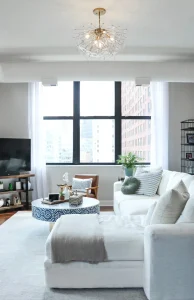
Andrea’s palette helps keep the whole thing grounded. Nuanced neutrals create a calm baseline. Texture does the heavy lifting. Wood grain, woven materials, and matte surfaces add depth without turning the room into visual chatter.
Why Her Neutral Palette Never Feels Flat
Neutral rooms can go dull fast. The fix is rarely “add a color.” The fix is contrast you can feel, not just see.
Andrea plays that game well—tone shifts, sheen shifts, and texture shifts. Warm whites near soft taupes. A nubby textile against smoother wood. An aged metal moment that breaks up a stretch of sameness without screaming for attention.
Here’s what most people miss: neutrals also make a home age better in photos, season to season. That matters when clients stay put for years and don’t want their living room to look “so 2024” by the next holiday card.
Designers who source with that longer lens tend to build stronger vendor stables. You see it in the maker stories inside DesignerInc manufacturer highlights. Materials matter. Finish quality matters. And repeatable lead times? That matters more than any hype, because pretty doesn’t help when the order slips and your install calendar starts bleeding.
Inside Her Process of Listening First
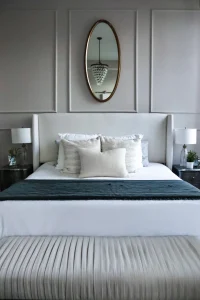
Andrea’s process is rooted in listening, and you can see it in the finished work. She takes a client’s half-formed ideas and gives them structure—not by overriding them, but by translating them into decisions.
That translation is a skill, not a vibe. It’s asking the second question. It’s catching the offhand comment about “wanting it calmer” and turning it into a real plan: layout, lighting, materials, and what gets edited out.
If I had to pick one thing many designers under-communicate, it’s how listening becomes documentation. Notes turn into scope. Scope turns into fewer surprises later. Fewer surprises means fewer budget blowups and fewer “Wait, I thought that was included?” moments right when everyone’s patience is thin.
Trade partners appreciate that clarity, too. It’s why platforms like Relationships ByDesign keep coming up in designer conversations. Strong work is rarely solo work. It’s relationships, expectations, and follow-through—especially when you’re juggling vendors, freight, and the inevitable curveball that shows up the week before install.
Floor Plans That Respect Family Life
A beautiful floor plan is one you don’t notice. You just move through it. Andrea’s layouts honor that kind of quiet competence.
She thinks in paths and pauses. Where people drop bags. Where kids do homework. Where someone stands while talking during dinner prep—the real human choreography nobody sees in a pretty photo.
I’ve watched this play out a hundred times. A sofa can be perfect, yet wrong, if circulation pinches behind it. A dining room can look grand, yet fail, if chairs hit the wall every night and the whole thing becomes an annoying daily fight.
If you want a reality check on planning and execution, there are smart perspectives in industry articles on ByDesign. The best ones stay practical. Andrea’s work sits in that same lane: solid fundamentals, well-judged decisions, no drama.
Longevity Over Trends in 2026 Homes
Trends aren’t the enemy. The problem is building a whole home around something that ages out in 18 months. Clients feel that regret, even if they can’t name it—they just start itching to “refresh,” and suddenly you’re redoing a room that never had a chance.
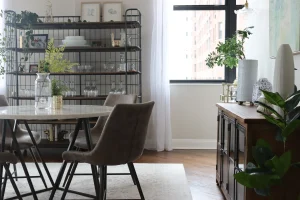
Andrea aims for longevity. That means the fundamentals can flex. Floors, millwork, and main upholstery stay classic. Then personality shows up in lighting, art, and layered pieces—elements you can swap without ripping out your backbone.
This approach supports a healthier client relationship, too. You can say yes to moments of fun while protecting the investment. That’s not playing it safe; that’s leadership.
There’s a broader design culture shift toward that steadiness. Even shelter media has been calling it out. Architectural Digest has covered the move toward calmer, more enduring interiors in its trend reporting, including the ongoing conversation around quiet luxury. See Architectural Digest on quiet luxury for a useful snapshot.
Full Service, Virtual, and New Build Support
Andrea offers full service design, virtual design, and new build consulting. In a place like Minnesota, that range isn’t fluff—it’s practical.
Full service projects need deep coordination. Virtual work demands sharper communication and cleaner deliverables (because you don’t get to “fix it on site” the same way). New builds require early decisions so you don’t paint yourself into a corner later—sometimes literally.
Let me put it this way: a new build is a thousand tiny deadlines. Miss one, and you pay for it in rework or compromised choices. And if you’ve ever tried to “just change that one thing” after cabinetry is ordered, you know exactly what I mean.
This is also where sourcing systems matter. DesignerInc has built a community that understands the realities of ordering, freight, and finish approvals. If you want a sense of that world, browse the editorial lens in manufacturer featurettes. The best projects are supported by makers who can actually deliver—not just promise.
What Designers Can Borrow From Andrea’s Approach
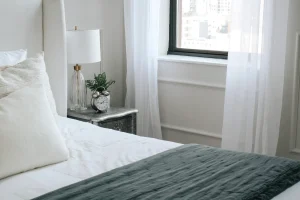
You don’t need to copy Andrea’s aesthetic to learn from it. Borrow the discipline underneath it. That discipline is what keeps a project feeling calm from kickoff to install—and keeps you from getting talked into choices you’ll regret when the samples hit real daylight.
Try these moves on your next project.
- Start with behavior before style. Ask how the room needs to work daily.
- Build a neutral base with texture, not extra contrast paint.
- Choose one hero moment per space and keep the rest supportive.
- Document decisions early, especially for new builds and renovations.
- Specify for the long haul. Finish durability matters more than novelty.
The thing nobody tells you is that clients remember how a home feels at 7 p.m.—not how it looked in a reveal photo. Andrea designs for that hour.
For more context on the professional side of taste, sourcing, and standards, I often point designers to DesignerInc editorial highlights. It’s the kind of reading that helps you hold your line when a client asks for “something TikTok,” and you’re trying to protect their home from becoming a short-lived mood board.
Explore the DesignerInc Community
If Andrea Herrmann’s work resonates, take it as a reminder that calm is a choice. So is specifying with intention. DesignerInc is one of the places where designers who care about both can find their people.
Browse the community, study the makers, and keep your sourcing sharp. Then bring that confidence back to your clients.
Visit and Follow Andrea Herrmann
Website: https://idyllicinteriorsllc.com
Instagram: https://www.instagram.com/idyllic.interiors.llc
Facebook: https://www.facebook.com/idyllic.interiors.llc/